Rhinoplasty Los Angeles: Expert Nose Surgery With Dr. Henry Chen
For many people, rhinoplasty is more than a cosmetic choice—it’s a life-changing decision. After all, it can affect how you look, breathe, and feel every single day.
If you’ve been considering rhinoplasty in Los Angeles, there’s a good chance you’ve come across mixed opinions and endless surgeon listings.
With so many doctors claiming to be the “best”, it’s easy to feel uncertain about where to begin.
Here’s why thousands of patients have trusted Dr. Henry Chen with their care:
- Nearly 20 years of experience in facial plastic and reconstructive surgery, specializing in rhinoplasty
- More than 1,500 successful primary and revision rhinoplasty procedures
- Double board-certified by the American Board of Facial Plastic and Reconstructive Surgery (ABFPRS) and the American Board of Otolaryngology–Head and Neck Surgery (ABOHNS)
- Published author in multiple peer-reviewed academic journals and recognized as a Los Angeles Magazine Top Doctor (2019–2025) and Southern California Super Doctor (2020–2026)





In a city where cosmetic surgery is everywhere, it’s easy to spot results that look unnatural or “done,” like noses that don’t quite fit the face.
Dr. Chen takes a different approach. His goal isn’t to create a “perfect” nose—it’s to enhance harmony between your features while preserving what makes you uniquely you.
At Chen Facial Plastic Surgery, every patient receives transparent, personalized care from start to finish.
You’ll get an honest assessment, a fully customized surgical plan, and the peace of mind that comes from knowing your surgeon is both highly skilled and genuinely invested in your outcome.
Whether you’re ready to take the next step or still exploring your options, your consultation with Dr. Chen will leave you with clarity, confidence, and a path forward.
Take your first step toward renewed confidence. Call or text our Los Angeles office at (310) 997-0280 to schedule your consultation.
Key Takeaways
- Proven Expertise: Dr. Henry Chen is a double board-certified surgeon with nearly 20 years of experience and 1,500+ successful rhinoplasty procedures in Los Angeles.
- Comprehensive Options: Patients can choose from primary rhinoplasty, revision rhinoplasty, or ethnic rhinoplasty, each customized for natural-looking balance and improved breathing.
- Transparent Costs: Rhinoplasty in Beverly Hills and Los Angeles typically ranges from $12,000 to $20,000, depending on surgical complexity, technique, and the surgeon’s experience.
- Natural Results, Functional Restoration: Dr. Chen’s philosophy of care centers on delivering natural-looking results while preserving or restoring breathing to 100%.
- Personalized Care: Every patient receives direct call or text access to Dr. Chen and 24/7 post-operative support for peace of mind and a smoother recovery.
Why Choose Los Angeles for Your Rhinoplasty?
Los Angeles, particularly Beverly Hills, is home to the world’s finest cosmetic and reconstructive surgeons.
This unique ecosystem includes elite private practices and academic centers like Cedars-Sinai and UCLA Health, producing a volume and variety of cosmetic surgery cases that few cities can match.
Here, it’s easy to find board-certified plastic surgeons with access to cutting-edge tools and specialization in advanced techniques.
But even in a town full of accomplished rhinoplasty experts, Dr. Chen has carved out a name for himself:
- Double board-certified in Facial Plastic and Reconstructive Surgery and Otolaryngology (Ear, Nose, and Throat)
- Named a Top Doctor by LA Magazine (2019–2025)
- Recognized as a Super Doctor (2020–2026)
Our Beverly Hills-based practice has a global reach.
We offer white-glove coordination for out-of-town patients, including travel guidance, post-op care, and follow-ups.
What Makes Dr. Henry Chen Different From Other Los Angeles Rhinoplasty Surgeons?
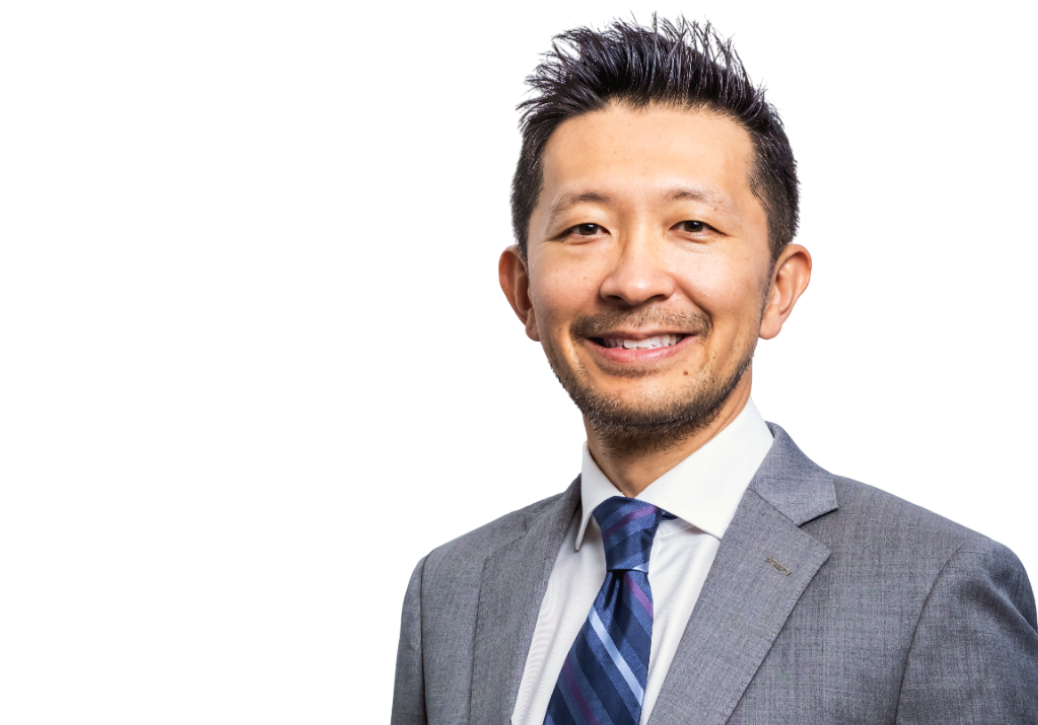
Henry Chen, MD, MBA, FACS, is a renowned double board-certified facial plastic and reconstructive surgeon based in Beverly Hills, Los Angeles, California.
Specializing in face and neck procedures such as rhinoplasty and revision rhinoplasty, Dr. Chen has guided thousands of patients toward their most confident, natural selves.
Every detail of your rhinoplasty is backed by his surgical mastery and dedication to natural, functional beauty:
Stellar Education
- Graduated magna cum laude from Rice University
- Earned his MD from Baylor College of Medicine
- Completed an MBA (Master of Business Administration) at Rice University’s Jones Graduate School of Business
Elite Surgical Training
- 5-Year Residency in Otolaryngology–Head and Neck Surgery at the University of Colorado
- Appointed Chief Resident
- Accepted into an elite fellowship in Facial Plastic and Reconstructive Surgery, a prestigious opportunity awarded to only 40 surgeons annually nationwide
- Trained under Dr. Edwin F. Williams, III, past president of AAFPRS (American Academy of Facial Plastic and Reconstructive Surgery)
Nearly 20 Years of Proven Expertise
Dr. Chen has built a solid reputation for almost 20 years, including:
- Five-year ENT (ear, nose, and throat) residency
- One-year facial plastics fellowship
- 14-year clinical practice (12 years at Cedars-Sinai)
Exceptional patient feedback on review sites such as Google, Healthgrades, Vitals, and RateMDs reflects his dedication and expertise.
Awards and Honors
Dr. Chen’s exceptional expertise and extensive experience have earned him widespread recognition as a leading authority in the field, including:
- Gordon Award for Exceptional Customer Service and Patient Satisfaction
- Los Angeles Magazine Top Doctor, 2019-2024
- Southern California Super Doctor, 2020-2024
- Vitals Preferred Provider (vitals.com)
- Ben Shuster Memorial Award (Most Outstanding Research Paper in the Field of Facial Plastic Surgery)
Thought Leadership
Dr. Chen stays ahead of the curve by broadening his knowledge and conducting research:
- Published in peer-reviewed medical journals
- Attends and presents at national and global conferences annually
- Reviews the latest surgical literature to stay current with innovations
Dr. Chen has published multiple research papers in his field:
- Evaluating Post-Rhinoplasty Nasal Obstruction Treatment: The Efficacy of VivAer Radiofrequency Ablation. American Journal of Otolaryngology, 104338. https://doi.org/10.1016/j.amjoto.2024.104338
Simmons, J. K., Nadeem, W., Hsue, V. B., Chen, H. H., & Lee, M. K. (2024). - Quantification of Gravitational Effects on Nasal Tip Geometry. The American Journal of Cosmetic Surgery. https://doi.org/10.1177/07488068241245389
Hsue, V. B., Nadeem, W., Azhdam, A., Liu, G., Chen, H., & Lee, M. K. (2024). - Raskin J, Borrelli M, Nasrollahi T, Chen H. Rhinoplasty Complication Requiring Multiple Revisions. Ear, Nose, & Throat Journal. 2022;101(10_suppl):23S-25S. https://doi.org/10.1177/01455613221123826
- Patient Satisfaction Survey Experience Among American Otolaryngologists. American Journal of Otolaryngology, 41(6), 102656. https://doi.org/10.1016/j.amjoto.2020.102656
Borrelli, M., Ting, J. Y., Rabbani, C. C., Tan, B. K., Higgins, T. S., Walgama, E. S., Liu, G. C., Chen, H. H., Lee, M. K., Hopp, M. L., Illing, E. A., Mirocha, J., & Wu, A. W. (2020).
Are You Board Certified and What Does That Mean?
Yes, Dr. Chen is board-certified, and it matters more than you may think.
Board certification confirms that your surgeon has passed the highest level of training, testing, and ethical standards in their field.
Dr. Chen holds two of the most respected certifications in the field:
- American Board of Facial Plastic and Reconstructive Surgery (ABFPRS)
- American Board of Otolaryngology–Head and Neck Surgery (ABOHNS)
These dual credentials mean you’re in the hands of a surgeon who understands both the cosmetic artistry and internal function of the face and nose.
That level of mastery is essential for natural-looking rhinoplasty that also improves breathing.
Not all surgeons are board-certified, and even fewer are certified in both facial plastic surgery and otolaryngology like Dr. Henry Chen.
The truth is, any licensed doctor can offer any cosmetic procedures, even with minimal training. Some begin offering surgeries after attending only a short course or weekend seminar.
Unfortunately, this gap in training between board-certified and non-certified surgeons can put patients at serious risk, leading to complications, and sadly, in some cases, patient deaths.
Non-certified practitioners don’t usually hold hospital privileges, meaning they may be unable to manage complications properly if something unexpected happens.
In contrast, Dr. Chen voluntarily pursued and earned two certifications by meeting some of the most rigorous standards in medicine.
For certification by the American Board of Facial Plastic and Reconstructive Surgery (ABFPRS), surgeons must:
- Complete an accredited residency in otolaryngology–head and neck surgery or plastic surgery.
- Hold prior certification from an approved US or Canadian medical board.
- Be in active practice for at least two years post-training.
- Submit 100 surgical cases for detailed peer review.
- Pass an intensive eight-hour written and oral exam.
- Perform all surgeries in accredited, safe medical facilities.
- Maintain a valid medical license and uphold the ABFPRS Code of Ethics.
For certification by the American Board of Otolaryngology–Head and Neck Surgery (ABOHNS), surgeons must:
- Complete a fully accredited residency program in otolaryngology–head and neck surgery.
- Pass a comprehensive written exam covering anatomy, physiology, pathophysiology, patient care, diagnosis, data interpretation, and nonsurgical and surgical management.
- Successfully complete an oral exam that includes a nine-month case-collection log and a peer review of practice cases.
Dr. Chen maintains his certification through continuous professional development, meeting yearly requirements in:
- Professional standing and professionalism
- Lifelong learning and self-assessment
- Assessment of skills, knowledge, and judgement
- Improvement in medical practice
Dr. Henry Chen’s Patient Results and Testimonials
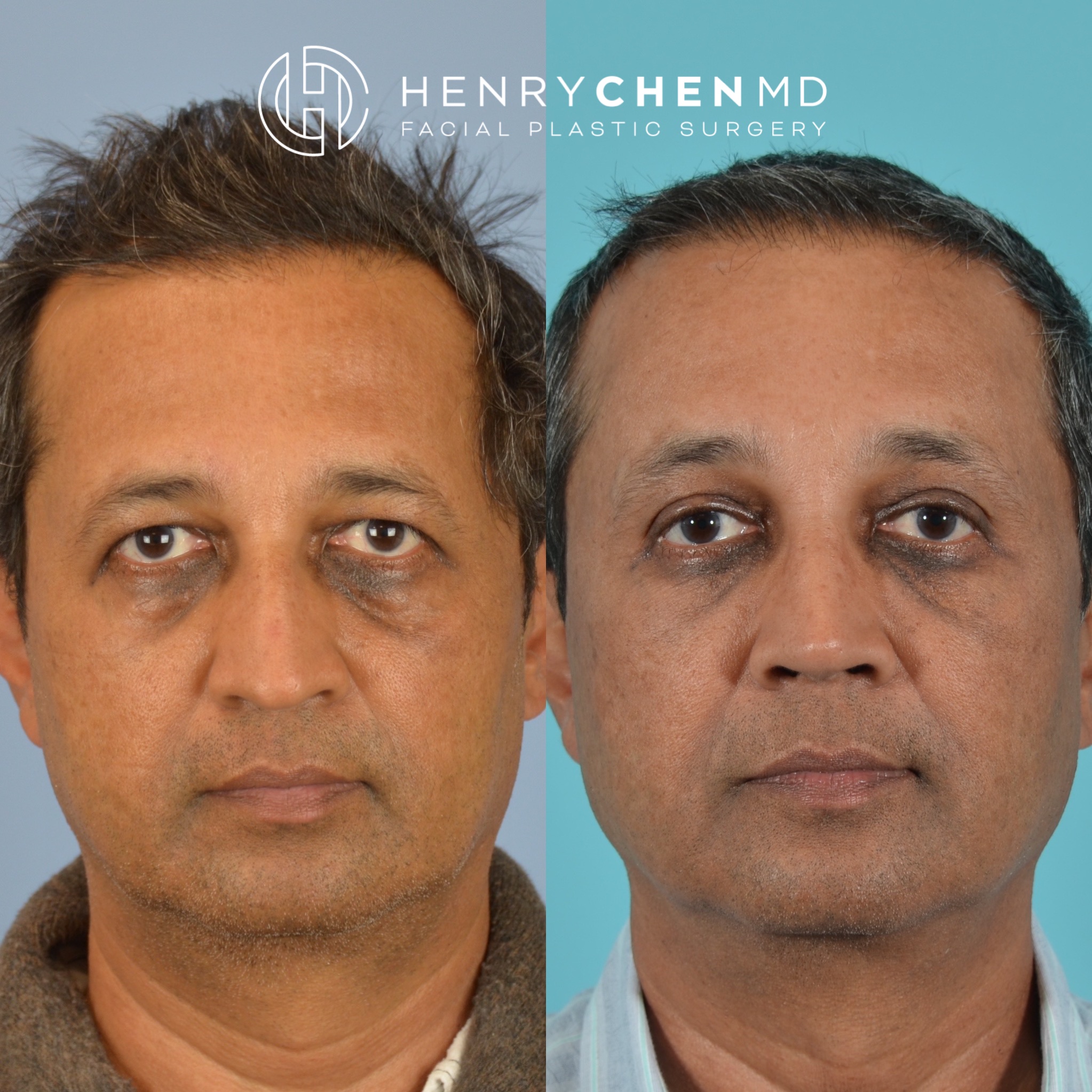
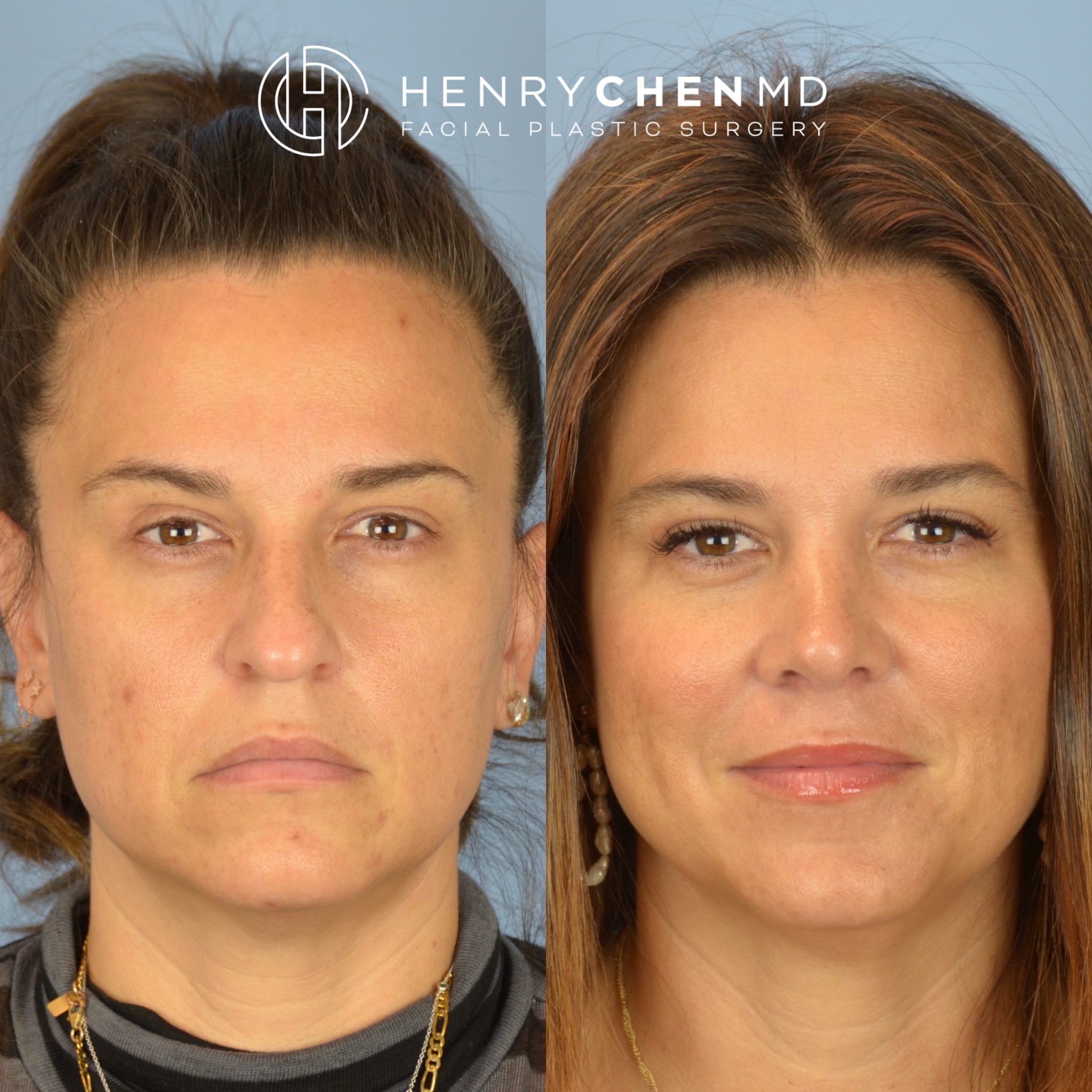
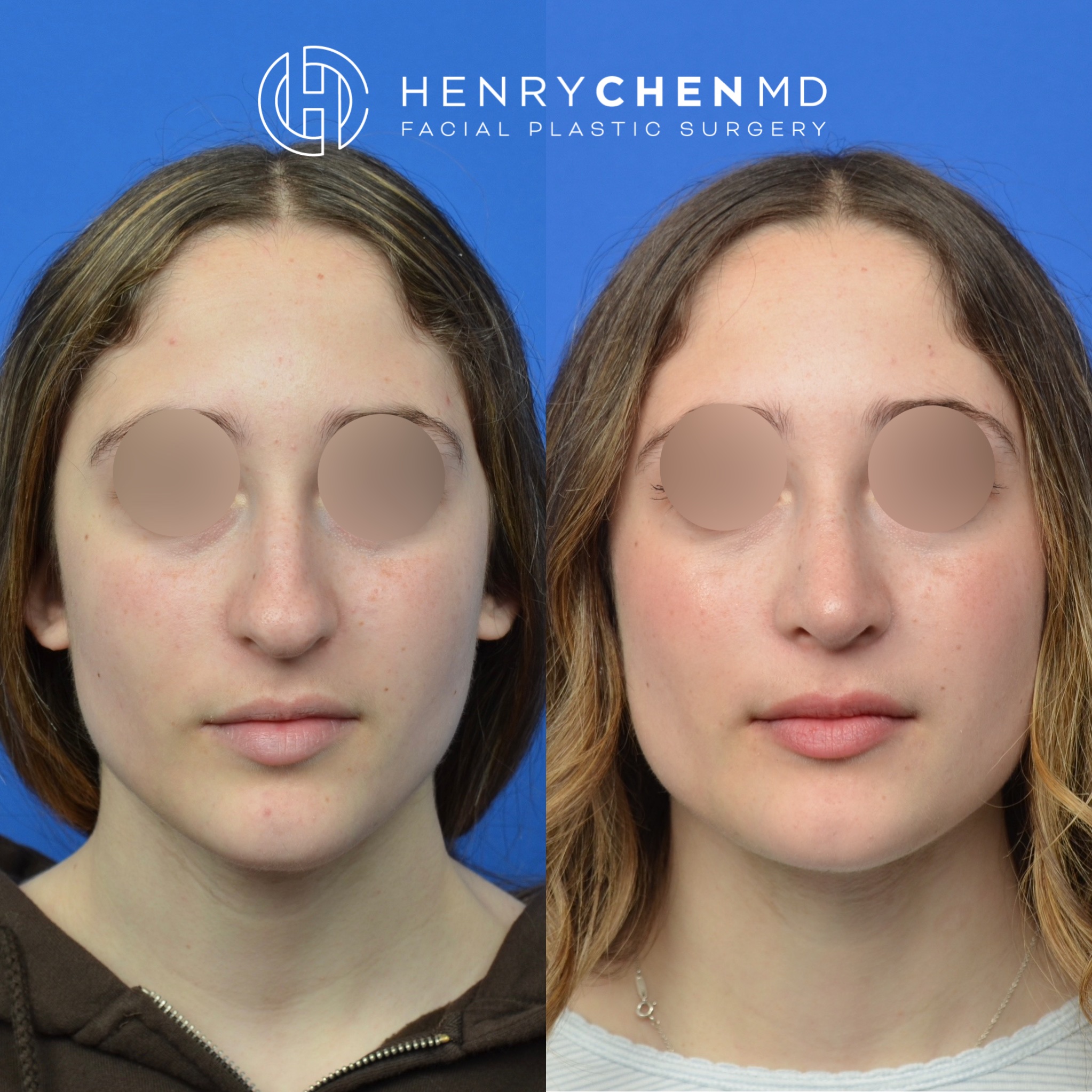
Thousands of successful transformations define Dr. Henry Chen’s track record—patients who not only look better but also breathe and feel better.
From primary rhinoplasty to complex revision cases, his results consistently reflect balance, precision, and natural beauty.
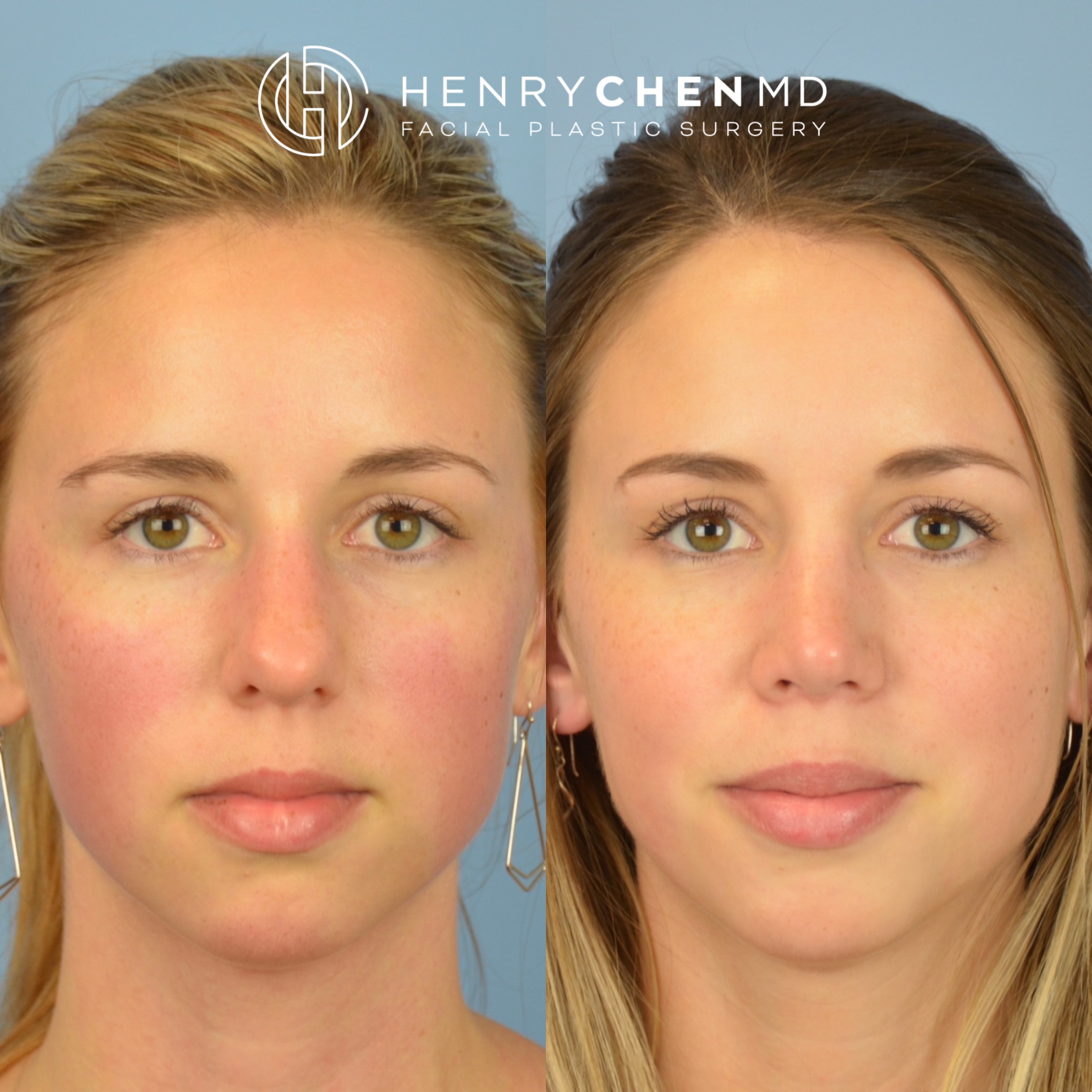
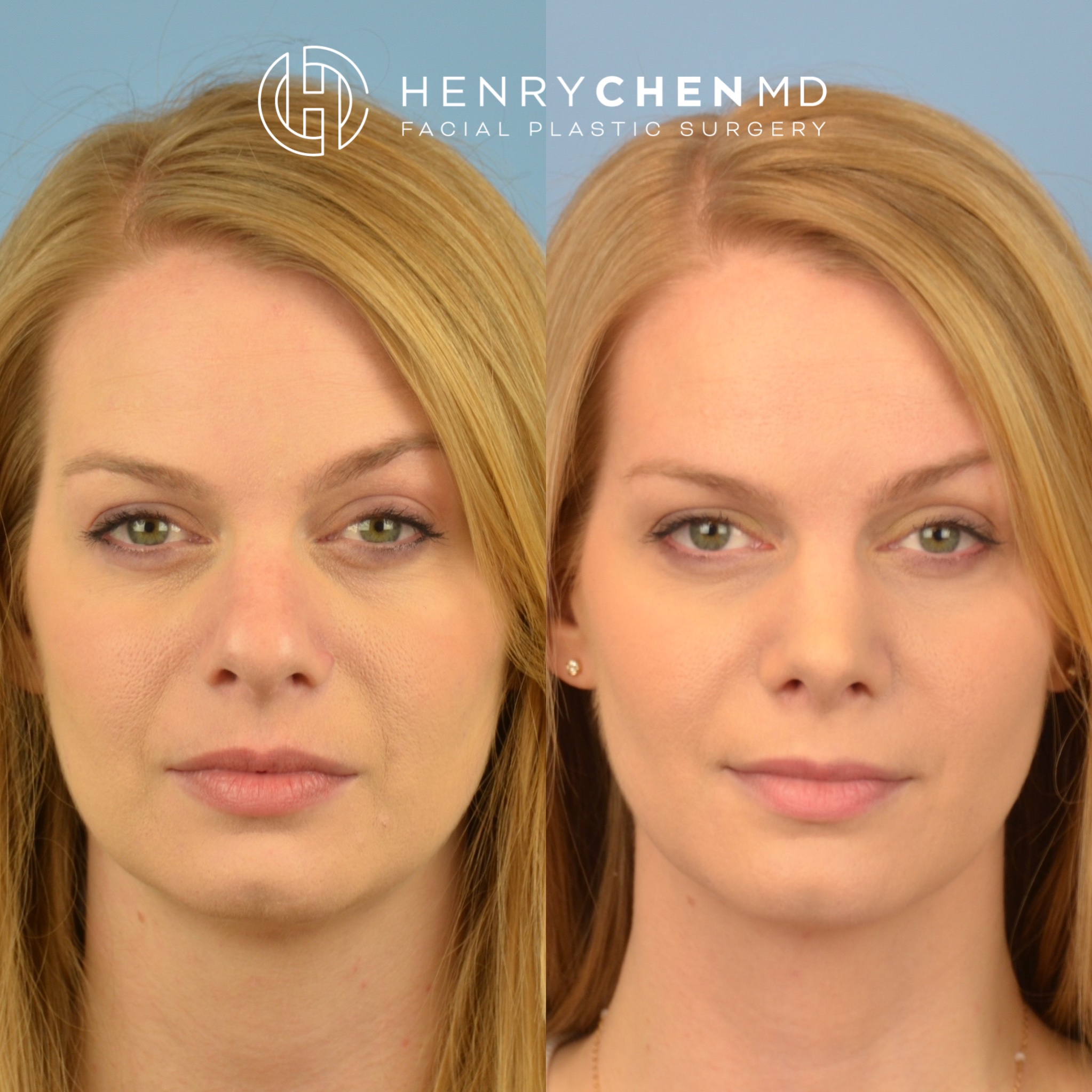
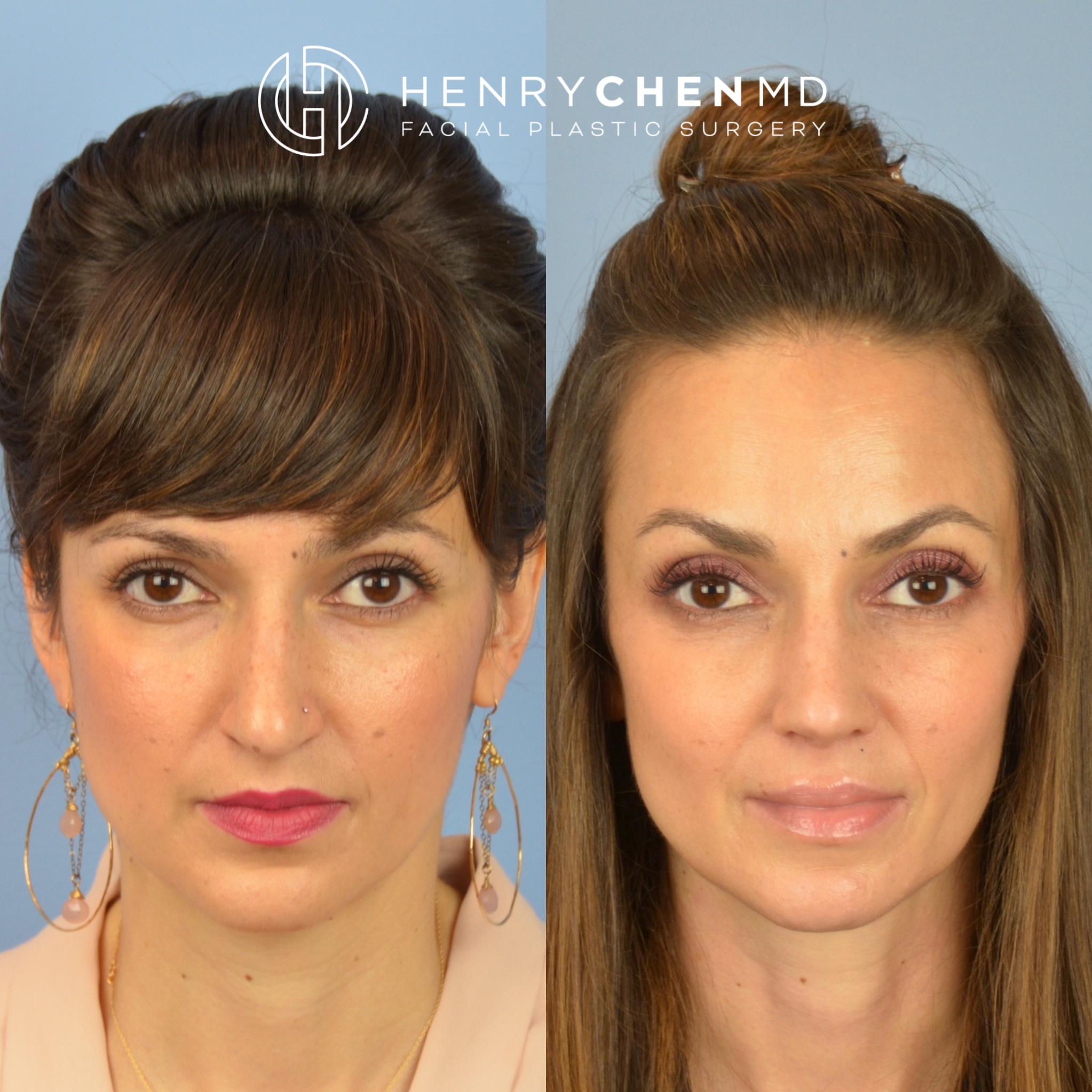
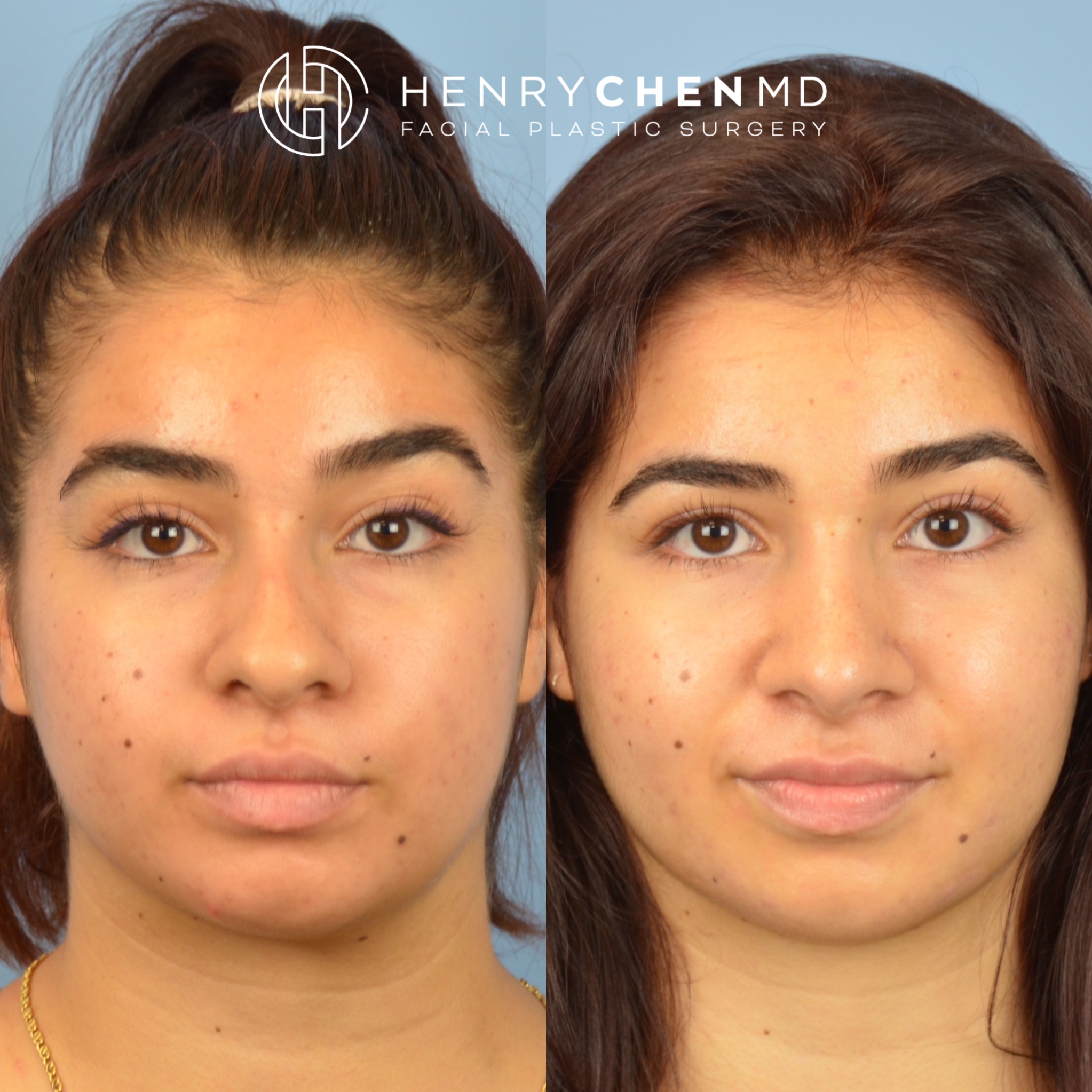
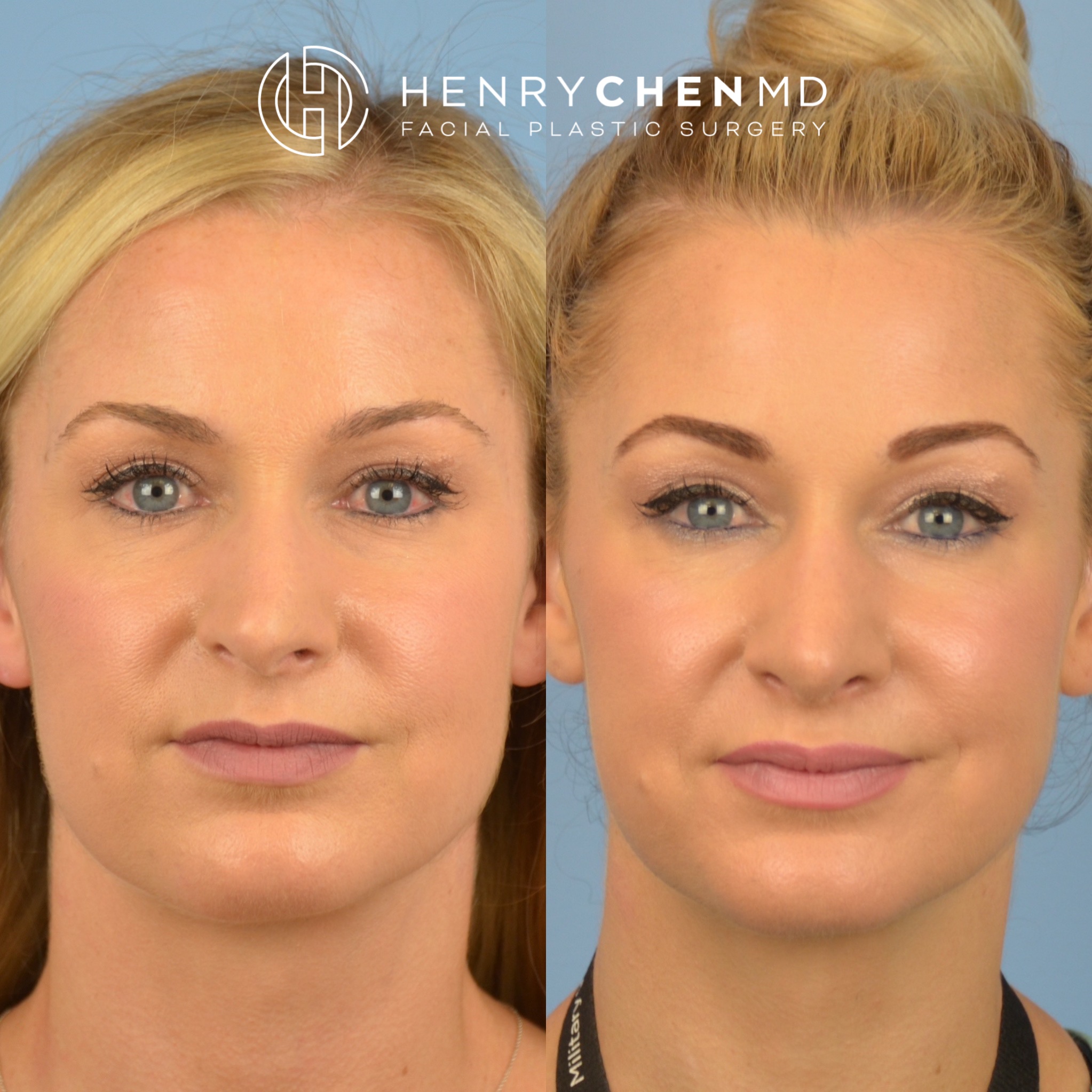
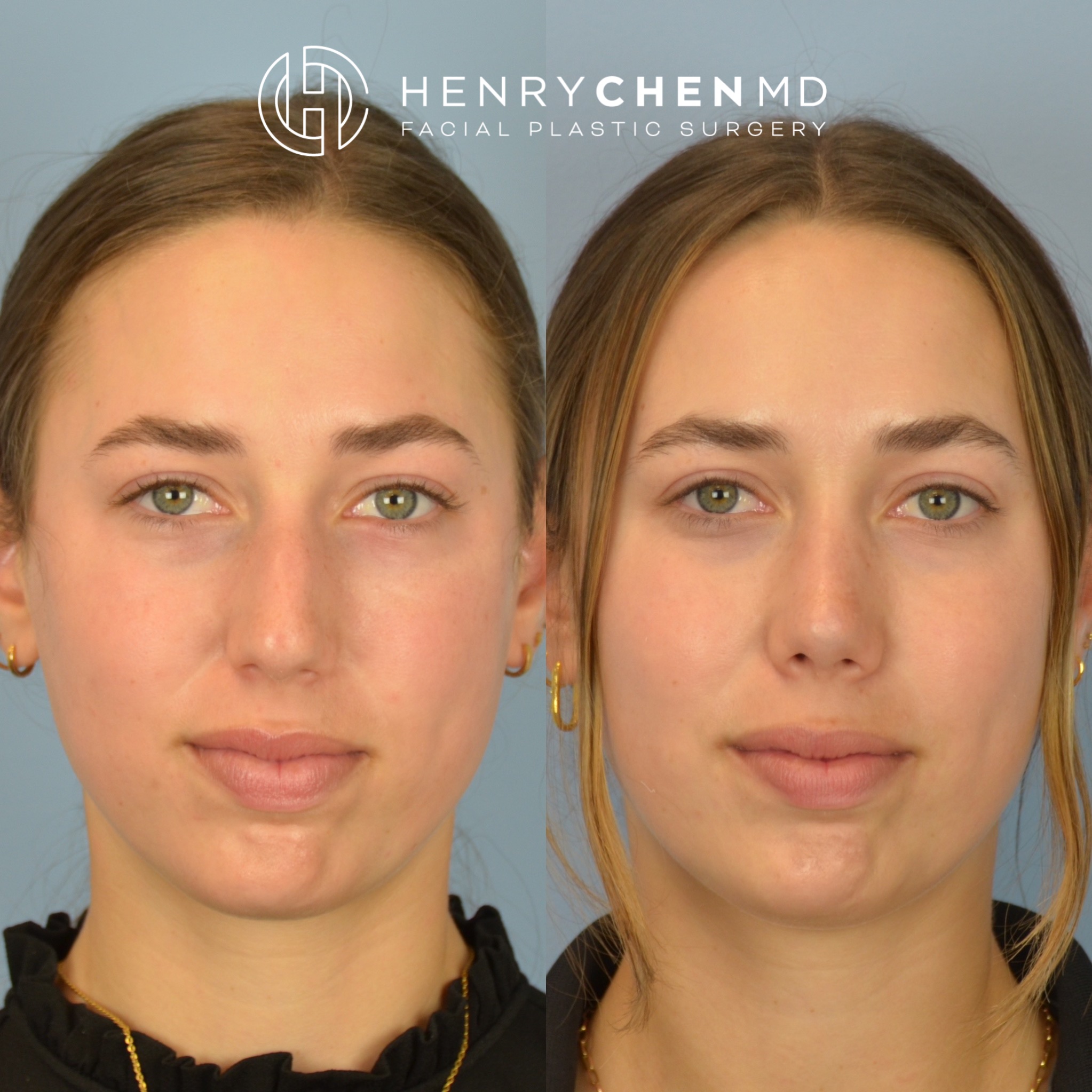
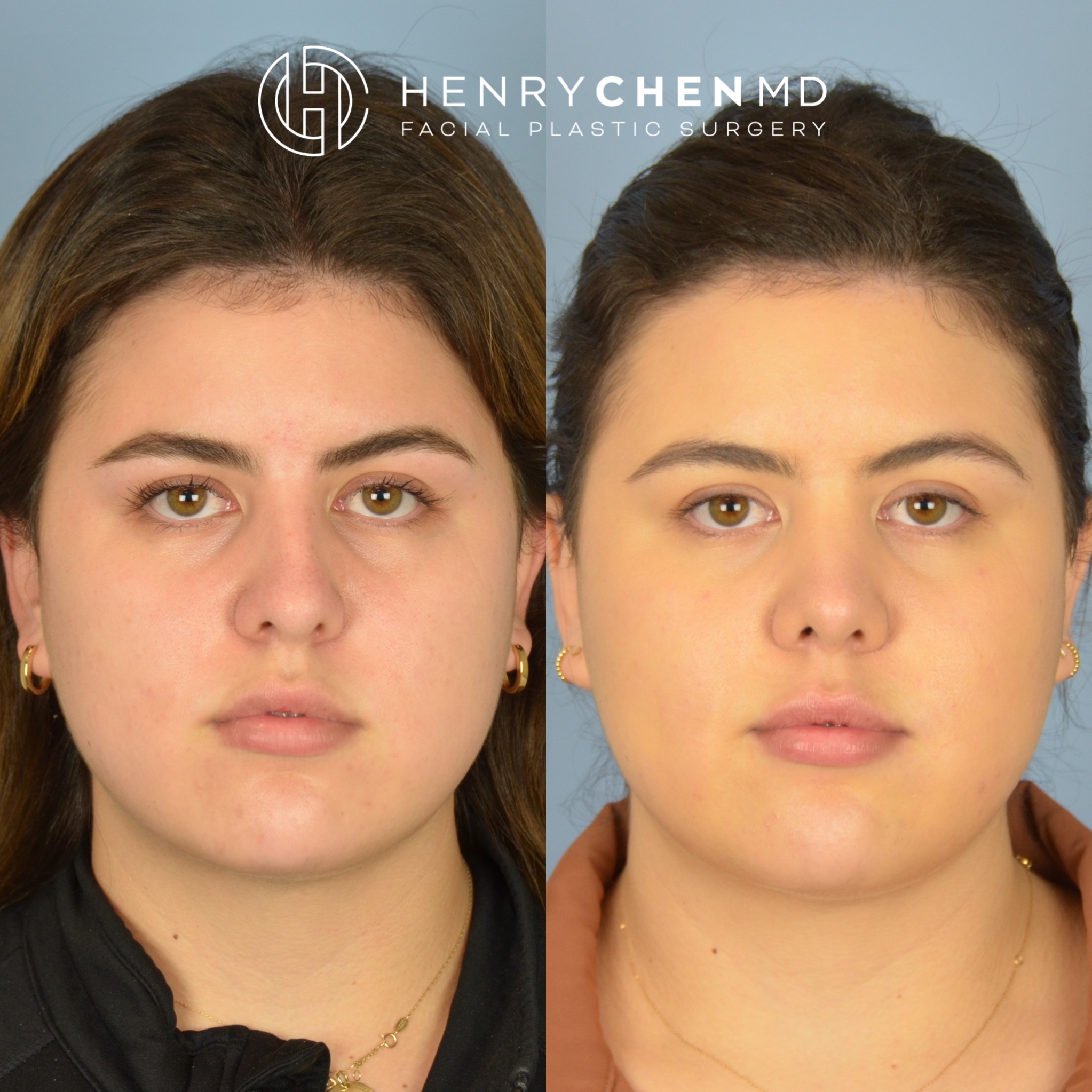
But you don’t have to take our word for it. Here are two examples of Dr. Chen’s rhinoplasty outcomes, showcasing his unmatched expertise:
Primary Rhinoplasty

This patient came to us with breathing difficulties and a desire for a smaller, more refined nose.
Her results at one year show a beautifully balanced, feminine outcome that complements her natural features, and we’re both thrilled with the transformation.
Revision Rhinoplasty

This patient underwent five previous rhinoplasties but continued to struggle with both appearance and breathing.
Dr. Chen corrected the dorsal irregularity, refined and supported the nasal tip, and straightened the bridge.
Her results show a beautifully restored shape, and most importantly, she’s now breathing better than ever.
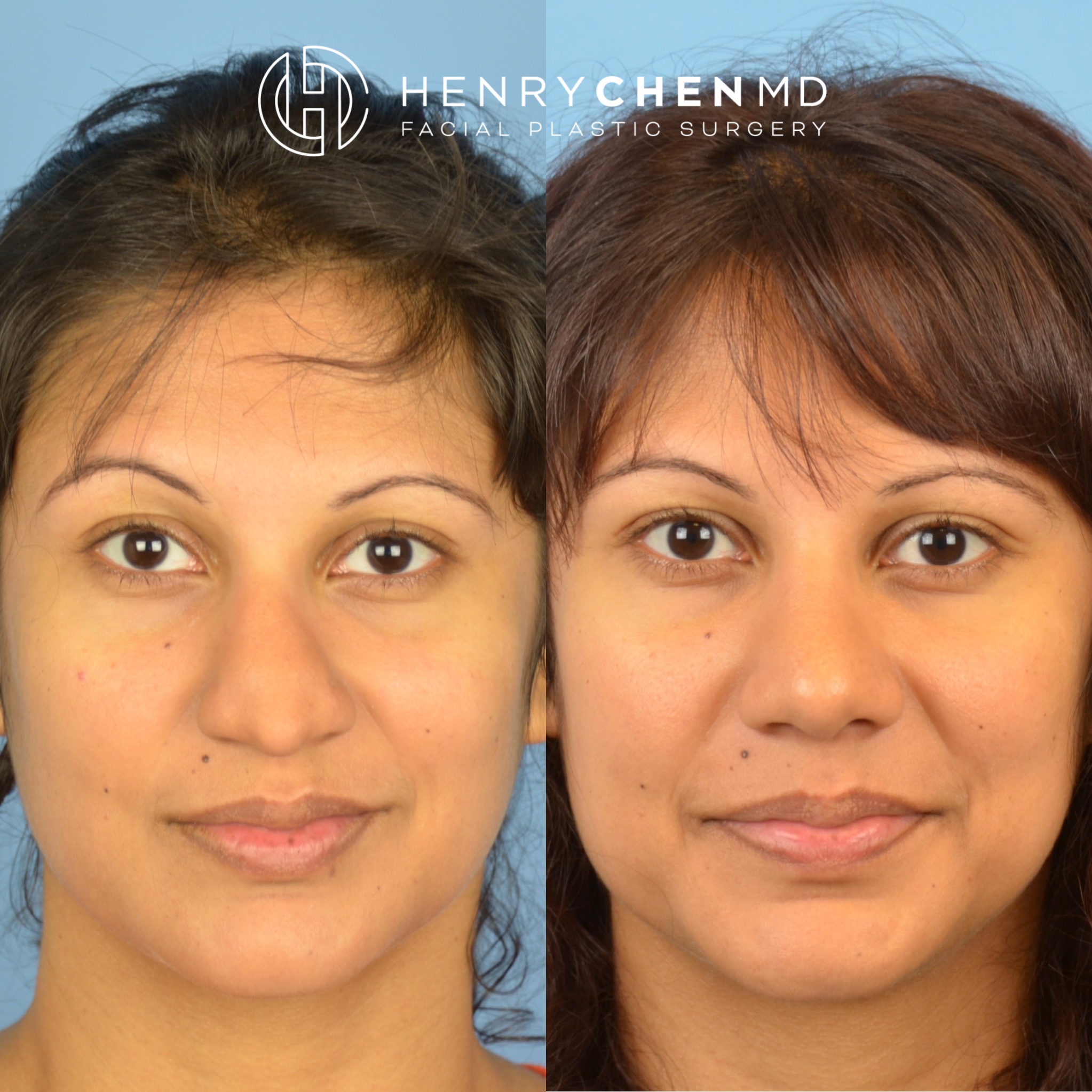
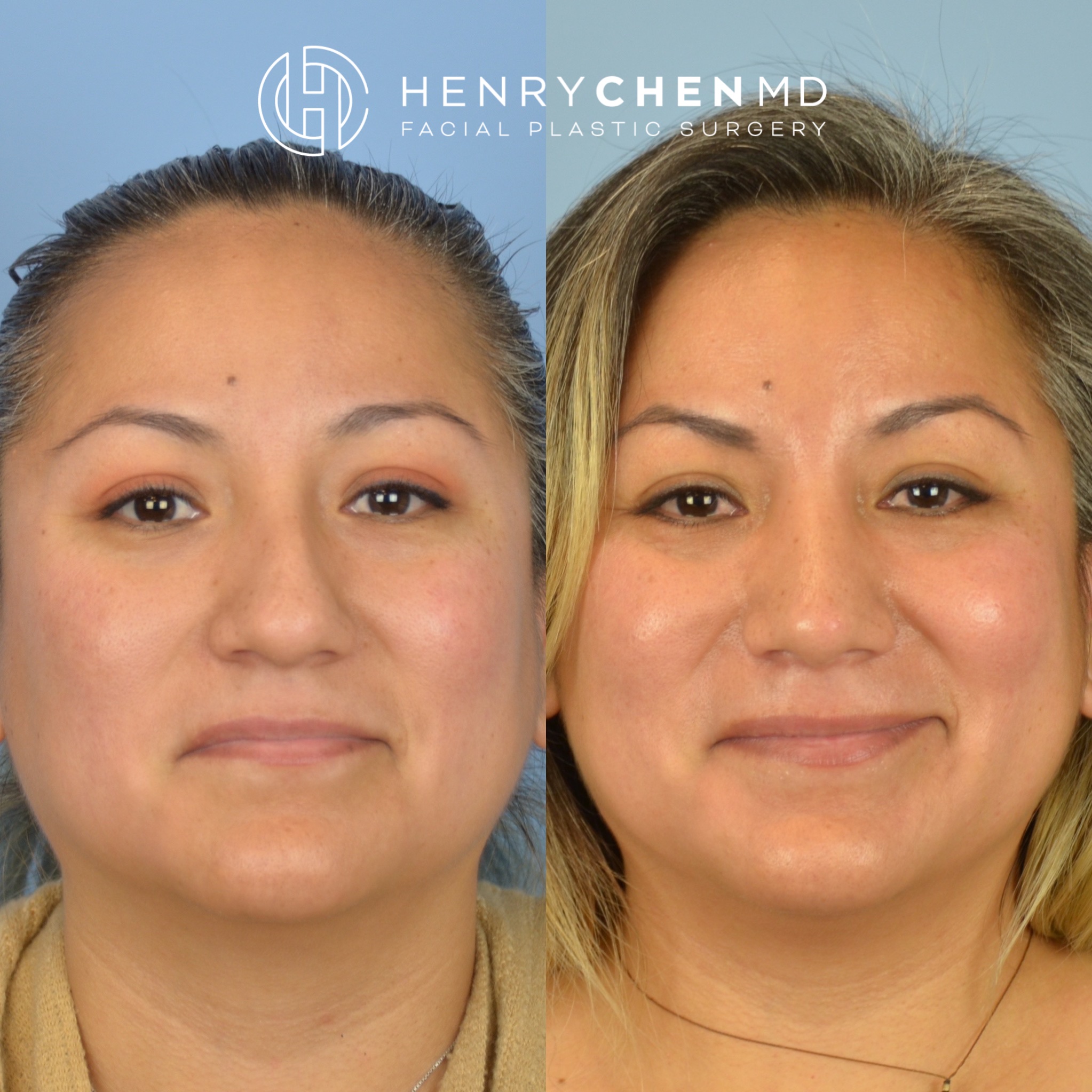
Our before-and-after photo galleries feature many other patients whose lives have been transformed through Dr. Chen’s care.
It’s no wonder he continues to earn glowing recommendations across review platforms, such as Vitals, Google, and Healthgrades.
Testimonials
“I Couldn’t Have Been More Happy With The Outcome And The Experience”
“Dr. Henry Chen was an absolute blessing and the best decision I could’ve made! After interviewing and speaking with all the top [Beverly Hills and Los Angeles] doctors for over a year, I felt most confident in moving forward with Dr Henry Chen.
I severely broke my nose during an e-foil surfing accident and reset my nose myself in the water. [Unfortunately], I’m not a doctor and ended up having 98% blocked breathing, in addition to turbinates.
My number one concern was to find a doctor who I felt 100% confident in, who knew how to handle the intricacies of this kind of septoplasty surgery while improving the area that had become swollen on the top of my nose [without making it look] like I had altered my appearance, and only to improve it if anything.
I couldn’t have been more happy with the outcome and experience. My breathing is 100% and everything turned out perfectly!! If you want a skilled, compassionate, experienced, and VERY talented doctor, Dr. Henry Chen is the absolute best choice.”
MN | review from Healthgrades.com
A Message from
DR. HENRY CHEN
“Plastic surgery may change things on the outside, but when it is done tastefully, and the results are natural, the transformation inside the patient is truly magical.
I have performed thousands of surgeries, and seeing this transformation occur over and over never gets old. It is endlessly gratifying and fulfilling to help patients regain or improve their confidence.”


Chen Facial Plastic Surgery
How Much Does a Nose Job Cost in Los Angeles?
Rhinoplasty in Beverly Hills, Los Angeles, California, typically costs $10,000 to $20,000, which is higher than the national average of $6,000 to $7,600.
This premium reflects the area’s reputation for world-class rhinoplasty procedures:
- Surgeon’s reputation and credentials
- Complexity of the case
- Techniques used
- Facility
- Anesthesia
- Demand and Location
At Chen Facial Plastic Surgery, we believe that financial concerns should never stand in the way of feeling and breathing your best. Everyone deserves access to expert care and results they can feel confident about.
During your consultation, Meghan, our front office coordinator, will review the basics, including what to expect, general pricing, and how the process works.
Once you decide to proceed with the surgery, Emmy, our patient care coordinator, will be your primary point of contact throughout the process.
She’ll ensure everything runs smoothly, from scheduling your surgery to exploring payment options.
To make treatment more accessible, we offer flexible financing options, including CareCredit, which provides extended payment plans for eligible patients.
What Factors Affect Rhinoplasty Pricing?
Several key factors influence the total cost of rhinoplasty:
Procedure Complexity
Simple cosmetic adjustments cost less than complex cases involving structural changes, grafts, or revision work. The more intricate the procedure, the more time and surgical precision it requires.
Surgeon’s Qualifications
Board-certified surgeons with extensive experience and a proven history of successful rhinoplasty procedures may charge higher fees. Their skill and precision can significantly reduce the risk of complications, leading to safer, more natural-looking outcomes.
Surgical Technique
Some rhinoplasty techniques, such as open rhinoplasty, usually cost more than closed techniques. That’s because open rhinoplasty offers your surgeon greater visibility and precision, which is especially important for complex or revision cases.
Anesthesia
A certified anesthesia provider is needed during your procedure for safety, continuous monitoring, and maximum patient comfort.
Surgery Location
Where your surgery takes place matters, too. Hospital-based procedures tend to be pricier than those done in accredited outpatient surgical centers.
Still, accredited outpatient surgical centers—like the one Dr. Chen uses—offer the same high safety standards in a more private, comfortable, and cost-efficient environment.
Geographic Pricing
A rhinoplasty performed in a major city like Beverly Hills and Los Angeles almost always costs more than the same procedure in a smaller town or less specialized area.
Running a high-level medical practice in Beverly Hills and Los Angeles is costly with multiple costs factoring into the bottom line.
These factors aren’t luxuries. They are part of what it takes to offer premium care in one of the most competitive medical hubs in the country.
In Dr. Henry Chen’s case, this translates into exceptional value.
You’re receiving care from a double board-certified facial plastic surgeon with nearly 20 years of experience, advanced fellowship training, and a reputation for achieving results that look natural, function perfectly, and truly stand the test of time.
Does Insurance Cover Rhinoplasty?
Insurance may cover part of your rhinoplasty if it corrects functional problems such as:
- Chronic breathing obstruction
- Nasal deformities from injury or trauma
- A deviated septum
For example, if your rhinoplasty includes a septoplasty (to straighten the septum), that portion of the procedure may qualify for coverage.
If you’re unsure about insurance coverage, don’t worry—you don’t have to figure it out alone.
Our experienced staff is here to guide you through the process, helping you understand your options and any documentation needed for potential coverage.
At Chen Facial Plastic Surgery, we believe cost should never prevent you from getting the care you need. Dr. Chen’s philosophy has always been rooted in compassion and service—both in and out of the operating room.
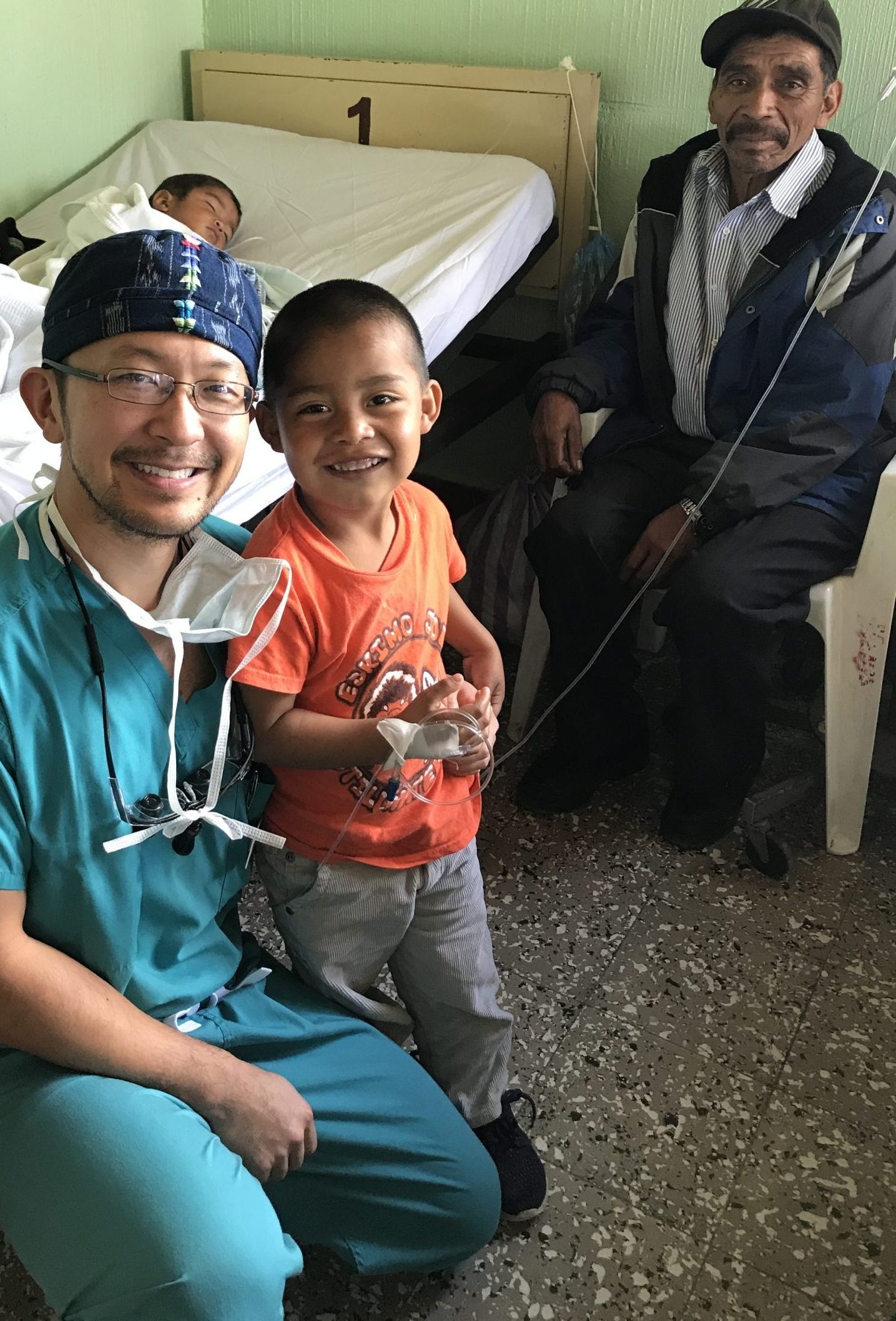
Since 2012, he has volunteered in Guatemala, performing free facial procedures through HELPS International (a nonprofit organization providing social, practical, and spiritual programs to communities in the developing world).
That same dedication to service extends to his Beverly Hills practice, where he also offers special discounts for first responders and veterans as a small way to give back to those who serve others every day.
What Types of Rhinoplasty Does Dr. Henry Chen Perform?
Rhinoplasty isn’t a one-size-fits-all procedure. That’s why Dr. Chen tailors each type to the patient’s anatomy, goals, and cultural or gender identity.
This table outlines the main types of rhinoplasty, the ideal candidates for each, and the surgical approach used.
| Types of Rhinoplasty | Ideal For | Techniques Used |
| Primary rhinoplasty | First-time rhinoplasty patients seeking to improve nose appearance or function |
|
| Revision rhinoplasty | People who have had previous rhinoplasty and experience persistent breathing issues or dissatisfaction with their appearance |
|
| Transgender or feminizing rhinoplasty | Transgender women and nonbinary individuals seeking to align their nasal appearance with feminine gender identity |
|
| Male rhinoplasty | Male patients seeking refinement while maintaining masculine features |
|
| Ethnic rhinoplasty | People with African-American, Native American, Asian, Middle Eastern, or other non-Caucasian backgrounds who want to enhance nasal aesthetics while preserving cultural identity and ethnic characteristics |
|
| Functional rhinoplasty | Patients with functional issues, such as a deviated septum, nasal valve collapse, chronic breathing obstruction, or nasal deformity from trauma that impairs respiratory function |
|
While techniques and goals vary, every rhinoplasty shares the same destination: a safe, comfortable recovery and results that look as natural as they feel.
The following table summarizes the expected outcomes, recovery milestones, and healing timeline.
| Types of Rhinoplasty | Expected Outcomes | Recovery |
| Primary rhinoplasty | Improved nose shape and overall facial harmony
Natural-looking results that complement facial features Resolved breathing issues if functional components are addressed Enhanced self-confidence and comfort with appearance |
|
| Revision rhinoplasty | Correction of previous unsatisfactory rhinoplasty results
Functional improvement with restored breathing Aesthetic balance and facial harmony Structural stability achieved through cartilage grafting |
|
| Transgender or feminizing rhinoplasty | Softer, more refined nasal contours for a feminine appearance
Nose aligned with the patient’s gender identity and self-image |
|
| Masculine, natural-looking nose with a strong, defined profile
Preservation or enhancement of masculine nose features |
|
|
| Ethnic rhinoplasty | Enhanced nasal aesthetics while maintaining ethnic identity |
|
| Functional rhinoplasty | Breathing restoration
Reduced snoring and sleep apnea symptoms |
|
What Is the Difference Between Open and Closed Rhinoplasty?
Here’s how these two rhinoplasty techniques differ, so you can better understand which suits your case:
- Open Rhinoplasty
Open rhinoplasty is the most common rhinoplasty approach.Dr. Chen makes an incision across the columella (the strip of skin between your nostrils), allowing complete visibility of the nasal structures inside.Because this technique offers a clear view and better access, it’s often recommended for patients seeking comprehensive changes including tip refinement, hump removal, correction of asymmetries and breathing issues, or revision surgery. - Closed (Endonasal or “Scarless”) Rhinoplasty
This approach is typically used for cosmetic reshaping.Dr. Chen makes tiny incisions inside the nostrils, leaving no visible external scar and allowing precise adjustments.It’s a great option if you’re looking to remove a hump or refine the tip in more subtle ways.
Still unsure which technique fits your goals?
Check out the comparison tables below to see the pros and cons of open vs. closed rhinoplasty side by side:
Advantages of Open vs. Closed Rhinoplasty
| Open Rhinoplasty | Closed Rhinoplasty |
|
|
Disadvantages of Open vs. Closed Rhinoplasty
| Open Rhinoplasty | Closed Rhinoplasty |
|
|
Like any surgery, open and closed rhinoplasty each have their own specific uses, limitations, and potential risks.
Dr. Chen is well-experienced in both techniques and will guide you toward the approach that best suits your goals during your consultation.
No matter the method, Dr. Chen’s priorities stay the same:
- Keep or improve your ability to breathe comfortably.
- Create results that match your goals, features, and preferences.
- Minimize downtime.
What Is Ethnic Rhinoplasty and Who Needs It?
Ethnic Rhinoplasty for Asian, African American, Hispanic, and Diverse Facial Features
Your ethnic facial features are central to who you are. Dr. Chen understands this fact very well.
A core aspect of his personalized care philosophy is respecting each rhinoplasty patient’s cultural considerations, particularly those of non-White ethnic groups.
The medical term for this approach is ethnic rhinoplasty.
Nearly 30% of rhinoplasty patients in the United States are non-Caucasian. This demographic includes individuals of African-
American, Hispanic, Asian, and Pacific Islander heritage.
Nasal anatomical features naturally vary across different ethnicities—differences in cartilage strength, skin thickness, and nasal bridge shape can influence both appearance and breathing function.
That’s why a skilled surgeon must understand how to enhance the nose’s shape without compromising its natural balance or airflow.
Unfortunately, some procedures may present functional trade-offs, resulting not only in an increased risk of altering one’s cultural identity but also the likelihood of breathing issues or the need for revision surgery.
Dr. Henry Chen takes a thoughtful, individualized approach to ethnic rhinoplasty. He respects and preserves each patient’s heritage while refining their features in a way that feels natural, balanced, and authentic.
With advanced training and years of experience performing ethnic and revision rhinoplasties, his goal is simple: to help every patient look and feel like the best version of themselves, without losing what makes them unique.
Here are some ethnic rhinoplasty techniques your surgeon may use:
- Dorsal Hump Reduction
Middle Eastern noses commonly have prominent dorsal humps and thicker skin. Your surgeon may use a component-based reduction technique, sculpting both bone and cartilage, to refine the profile while preserving cultural identity.In contrast, Asian patients typically require augmentation rather than reduction. - Tip Refinement
Your surgeon may follow a tip-first approach for Asian rhinoplasty, addressing the need for more projection and definition. They may use septal extension grafts to rotate and support the tip, followed by shield or cap grafts to create sharper definition beneath thicker skin.For Middle Eastern patients, surgeons may use advanced suturing techniques and structural grafts to refine the tip and strengthen projection while preserving the nose’s natural slope and ethnic identity. - Nostril Narrowing
Middle Eastern and African-American patients oftentimes have wide nostrils or alar flaring. Surgeons may use conservative excision techniques to restore balance while preserving ethnic identity.For Asian patients, alar base narrowing is often addressed at the end of surgery, as tip projection alone may reduce nostril width.
Are you looking for a surgeon who can change what you dislike about your nose’s appearance without compromising your unique look?
Dr. Chen can elevate your natural beauty without erasing your heritage.
“My Breathing Issues and Minor Nasal Imperfections Were Resolved Without a Change in My Appearance”
During my entire life, I struggled with a runny nose, constant sneezing, and difficulty breathing.
Wearing a mask during the pandemic exacerbated my respiratory problems. After being examined by my primary care doctor, it was discovered that not only did I have a deviated septum, but one of my nostrils was practically closed.
I was referred to an ENT and tried nasal sprays. I was eventually referred to Dr. Chen. [He] was very thorough with his examination, explanations, and answering my questions.
Dr. Chen performed a septoplasty. [He] personally called to follow up to see how I was doing after the procedure and the following day. The follow-up care and appointments have been amazing.
My breathing issues and minor nasal imperfections were resolved without a change in my appearance. I am very grateful for the care I received and beyond satisfied with the results. Dr. Chen has the best bedside manner and genuinely cares about his patients.”
Anonymous | review from Vitals.com
What Is Revision Rhinoplasty and When Is It Needed?
Revision rhinoplasty, also known as secondary rhinoplasty, is a corrective surgical procedure that aims to improve the aesthetic and functional results of an initial rhinoplasty.
Revision rhinoplasty in Los Angeles is even more challenging to perform because there is scar tissue and altered anatomy that must be dealt with from prior surgery.
As such, a secondary nose surgery may cost more than your first one.
A study published in the Plastic and Reconstructive Surgery—Global Open journal listed the following reasons why patients consider surgical revision:
- Breathing or structural problems, such as nasal airway obstruction, that were not fully corrected or were worsened by the initial surgery
- Nasal bridge problems, particularly when the nasal bone and sidewalls appear too wide, uneven, or deviated
- Pollybeak deformity, which occurs when a bump forms above the nasal tip following nose surgery
- Nasal tip irregularities, such as unevenness, drooping, and excess projection
If you’re still struggling with breathing issues, visible asymmetry, or results that don’t feel like you, revision rhinoplasty may offer a path forward.
With Dr. Henry Chen’s precise, personalized approach, you may experience:
- A nose restored in both form and function
- Refined, natural-looking results with minimal additional downtime
- A boost in self-image, confidence, and emotional health
“I highly recommend Dr. Chen. He did reconstruction surgery on my nose because I could no longer breathe at night.
I had surgery in the past, and the nose virtually collapsed as there was not enough cartilage left in my nose to support the passage of air.
His innovative approach to reconstruction worked beautifully, and now my nasal passages are clear. It is easy for me to breathe again.
The best part is that my nose now looks great! He is also a very personable doctor.”
Delores Gilmore | Redondo Beach, CA
One of the most vital factors in planning a successful revision rhinoplasty is allowing enough time for your nose to heal after the first procedure fully.
Patients should remember that the final results become clear only after the healing process is fully complete.
While most bruising and swelling fade within the first few weeks, your nose continues to change subtly over the course of 12 to 18 months.
During this time, internal tissues settle, swelling resolves at a deeper level, and both breathing and appearance gradually stabilize.
Dr. Henry Chen has completed a fellowship in Facial Plastic and Reconstructive Surgery, giving him specialized training in the most intricate nasal procedures, including revision rhinoplasty.
Choosing a surgeon of his caliber is crucial for safe and effective revision rhinoplasty. His fellowship training ensures that every detail is carefully evaluated and every step is taken to restore both the form and function of the nose.
What Is Male Rhinoplasty and How Is It Different?
More men than ever are seeking subtle but impactful ways to improve their appearance, and rhinoplasty is leading the trend.
Whether it’s to correct a crooked nose from sports injuries, reduce a dorsal hump, or enhance overall facial balance, male rhinoplasty offers long-term, confidence-boosting results that preserve masculine identity.
In recent years, the demand for male-focused procedures has surged, with men now accounting for approximately 18% of all rhinoplasty surgeries in the US.
As a double board-certified facial plastic surgeon and ENT specialist, Dr. Henry Chen understands the requirements of male rhinoplasty. Unlike feminizing rhinoplasty, which aims to refine and narrow features, male rhinoplasty focuses on strengthening facial profile and symmetry.
His work consistently reflects a deep respect for masculine features and a commitment to outcomes that look natural.
What Is Transgender or Feminizing Rhinoplasty?
Feminizing rhinoplasty is a gender-affirming procedure designed to align nasal appearance with a patient’s gender identity, subtly softening masculine traits while maintaining facial balance and authenticity.
Unlike traditional rhinoplasty, which may prioritize symmetry or profile refinement alone, feminizing rhinoplasty requires a deeper understanding of proportion, expression, and how the nose integrates with other feminine features.
In feminizing rhinoplasty, the objective is not simply to reduce the nose’s size but to reshape its character.
A typical male nose often has a higher or deeper nasal root, a longer and straighter bridge (dorsum), and a less upturned, more downward-oriented nasal tip and base.
Dr. Chen uses advanced rhinoplasty techniques to refine these features, narrowing the nasal bridge, rotating the tip slightly upward, and creating softer contours while preserving natural airway function.
Seeking advanced facial feminization surgery tailored to your identity, goals, and anatomy? You’re in the right place.
Dr. Chen is the ideal ally to help you step into a more confident, naturally feminine, and fully aligned version of yourself.
What Should I Consider When Choosing a Rhinoplasty
Surgeon in Los Angeles?
Los Angeles is home to some of the most skilled facial plastic surgeons in the world. But that also means the bar is high, and the choices can be overwhelming.
If you’re considering rhinoplasty in LA, here’s what truly matters when selecting the right surgeon for your face, your goals, and your safety.
Verify Board Certification
At the very least, your surgeon should be board-certified by the American Board of Facial Plastic and Reconstructive Surgery (ABFPRS) or the American Board of Otolaryngology–Head and Neck Surgery (ABOHNS).
Dr. Henry Chen has earned both certifications.
Avoid These Red Flags
In Los Angeles, it’s easy to be impressed by glossy marketing and glamorous branding—but polish doesn’t always mean precision.
When choosing a rhinoplasty surgeon, it’s important to look beyond the surface and focus on qualifications, experience, and patient safety.
Be cautious if you come across:
- Extreme discounts or “package deals” that bundle unrelated procedures
- Vague or evasive answers about board certification and training
- Inconsistent or overly filtered before-and-after photos, which can hide the true quality of results
- Little to no mention of preserving nasal function or airflow, a key part of successful rhinoplasty
- Surgery performed in non-accredited facilities, which may not meet essential safety standards
Ask the Right Questions During Consultation
A skilled and compassionate surgeon always welcomes informed patients—because your questions show that you care about your health, safety, and results.
During your consultation, don’t hesitate to ask questions like:
- How many rhinoplasty procedures do you perform annually?
- What’s your experience with noses like mine?
- Can I see before-and-after photos of patients with similar goals?
- What techniques do you use to preserve or improve breathing?
A surgeon who answers your questions with patience, clarity, and confidence truly values transparency and trust. When you feel heard and fully informed, you can move forward knowing you’re in the hands of someone dedicated to your comfort, safety, and long-term satisfaction.
Choose a Specialist with Proven Expertise
Rhinoplasty is not a one-size-fits-all procedure. It’s one of the most technically demanding surgeries in all of plastic surgery.
A general cosmetic surgeon may not have the depth of nasal anatomy training needed to avoid functional problems or revision surgery.
Surgeons who focus exclusively on facial plastic surgery, like Dr Chen, bring a deeper, more nuanced understanding of proportion, symmetry, and how the nose interacts with the rest of the face.
How Do I Find the
Best Rhinoplasty Surgeon?
Here’s a straightforward, step‑by‑step guide to help you identify top‑tier rhinoplasty specialists in Los Angeles:
Define Your Criteria for a Rhinoplasty Surgeon
Start with these key benchmarks:
- Specialization: Choose a surgeon whose primary practice is facial plastic and reconstructive surgery, especially rhinoplasty. This ensures they have advanced training in both aesthetics and function.
- Experience: Look for surgeons who perform rhinoplasty regularly—whether that’s primary, revision, ethnic, male, or functional.
- Outcomes: Review before-and-after photos and testimonials.
Consistency in natural-looking results and a low revision rate are strong indicators of skill and experience. - Safety and Facility: Make sure your surgery will be performed in an accredited surgical facility by a board-certified surgeon who also holds hospital privileges.
These details reflect a commitment to patient safety and high standards of care. - Communication and Transparency: The right surgeon will welcome your questions, discuss potential risks honestly, and craft a surgical plan that’s personalized to your anatomy, goals, and comfort level.
Step‑by‑Step: How to Vet a Surgeon
Step A: Check board certification.
- Use the American Board of Facial Plastic and Reconstructive Surgery (ABFPRS) “Who’s Certified” tool to confirm certification.
- Use the American Board of Plastic Surgery or the American Board of Medical Specialties certification verifier tools to look up for general verification.
- Check state medical board records for any disciplinary history.
- Confirm the surgeon has hospital privileges, an indicator of oversight and safety.
Step B: Review before and after photos.
- Look for results on patients similar to you—whether that’s your gender, ethnicity, or the type of correction you’re seeking.
- Evaluate the naturalness of each outcome: balanced side profiles, smooth tip definition, and proportionate nostril width.
- Note the healing stage. Reputable surgeons will show final, fully healed results, not early post-op photos.
Step C: Assess patient testimonials and reviews.
- Read reviews on multiple platforms (Google, Healthgrades, Vitals, RealSelf).
- Look for recurring patterns: how patients felt during recovery, how breathing improved, how natural the result appears.
- Pay attention to consistency across different reviewers.
In Los Angeles, where many claim to be the “best rhinoplasty surgeon,” credentials and consistent outcomes separate specialists from generalists.
As a surgeon with certification in both facial plastic and reconstructive surgery and ENT and nearly 20 years of experience, Dr. Chen consistently delivers natural-looking results while maintaining or improving nose function.
What Questions Should I Ask During My Consultation?
Your consultation is your opportunity to learn, ask questions, and feel confident about your decision. Dr. Chen encourages open, honest discussions—because an informed patient is an empowered one.
Here are some questions you may want to ask during your visit:
- Surgeon’s Qualifications
- How many years have you been performing rhinoplasty?
- How many rhinoplasty procedures do you perform each year?
- What percentage of your practice focuses specifically on facial procedures?
- Board Certification
- Are you double board-certified, and by which boards?
- What does maintaining board certification involve?
- Fellowship Training
- Where did you complete your facial plastic and reconstructive surgery fellowship?
- How has your fellowship training shaped your approach to rhinoplasty?
- Procedure Details
- Which rhinoplasty technique do you recommend for my case (open or closed)?
- How do you ensure both functional and cosmetic balance?
- What type of anesthesia will be used, and why?
- Specific Case Types
- Do you specialize in revision or ethnic rhinoplasty?
- How do you approach complex cases or patients who’ve had previous surgeries?
- Risks
- What are the most common risks or complications, and how do you prevent them?
- How often do your patients experience complications requiring revision?
- Recovery Expectations
- What does the recovery timeline look like week by week?
- When can I return to work, exercise, or travel?
- How long does swelling typically last?
- Access to Surgeon During Recovery
- Will I have direct access to you if I have concerns after surgery?
- How often are follow-up visits scheduled?
- Costs
- What is included in the total surgical fee?
- Are facility or anesthesia fees billed separately?
- Do you offer financing options?
- Revision Policies
- What is your policy if I’m unsatisfied with the results?
- How long should I wait before considering a revision?
What Age Is Best for Rhinoplasty?
Rhinoplasty can be performed safely once facial growth is complete, typically around age 16 for girls and a bit later for boys.
By this age, the nose has reached full development, reducing the risk of post-surgical changes that could alter results over time.
For teenage patients, Dr. Chen evaluates both physical readiness and emotional maturity.
Beyond facial growth, the patient must understand the process, the recovery, and what to expect realistically.
For minors, parental consent and participation in the consultation are required to ensure everyone—patient and parents alike—fully understands the procedure, recovery, and long-term considerations before making a decision together.
For adults, there’s no strict upper age limit for rhinoplasty. As long as your overall health and skin condition support safe healing, you may be a candidate for surgery.
Many patients seek rhinoplasty in their late teens to early 30s to refine features or restore balance after age-related changes.
Dr. Chen’s philosophy is straightforward: the best age is when you’re physically ready, emotionally grounded, and making the decision for yourself.
Can Teenagers Get Rhinoplasty?
Yes, but only under specific circumstances. Rhinoplasty is a life-altering, permanent procedure that must take into account both physical development and emotional readiness before moving forward.
Here’s what you should know if you’re exploring rhinoplasty as a teenager or as a parent helping your teen through the decision-making process:
- Physical Development
Facial growth plays a key role in determining whether a teen is a candidate for rhinoplasty.
For girls, surgery is generally safe after the age of 16.
For boys, most surgeons recommend waiting a bit longer.
This precaution ensures the nose has stopped growing and that reshaping it won’t interfere with future facial development. - Emotional Readiness and Realistic Expectations
Teenagers must be mature enough to understand the risks, benefits, and long-term nature of the surgery.
At Dr. Chen’s practice, patients are evaluated for:- Clear, stable motivation (not peer pressure or impulse)
- Realistic goals for how rhinoplasty may affect appearance and confidence
- The emotional maturity to handle surgical recovery and results
- Parental Involvement
For teenage patients, Dr. Chen requires a parent or guardian to be present during the consultation, even if the teen is legally old enough to consent. This requirement ensures that the decision is fully informed, thoughtful, and supported.
Dr. Chen also recommends a cooling-off period after the consultation, allowing time to reflect, ask questions, and ensure the choice aligns with long-term goals.
What Is a Deviated Septum and How Does It Affect Rhinoplasty?
A deviated septum occurs when the thin wall of cartilage and bone (the nasal septum) that separates your left and right nasal passages is displaced or crooked.
While some people are born with this condition, most commonly it occurs during puberty where there is rapid growth. It can also develop after injury to the nose.
The septum plays a central role in how air flows through the nose. When it’s deviated too far to one side, it can block the nasal passage. This often leads to:
- Chronic nasal congestion (especially on one side)
- Noisy breathing during sleep
- Difficulty breathing through the nose
- Mouth breathing or dry mouth due to reduced airflow
- Frequent sinus infections or headaches
Dr. Chen is double board-certified in Facial Plastic Surgery and ENT. That means he doesn’t just sculpt noses—he also restores their function.
For instance, in cases of deviated septums, he may also perform septoplasty in addition to rhinoplasty to straighten the septum, remove blockages, and reinforce nasal support for lasting airflow.
In one case, a patient came to Dr. Chen after a surfing accident left her nose 98% blocked and her breathing severely impaired.
After consulting nearly every top Beverly Hills and Los Angeles surgeon for over a year, she chose Dr. Chen for his precision in complex septoplasty and natural aesthetic results.
Dr. Chen restored her nasal structure, corrected turbinate obstruction, and preserved her appearance, returning her breathing to 100% normal without any visible signs of surgery.
She describes the outcome as “perfect,” calling Dr. Chen the most skilled, compassionate, and talented doctor she could have chosen.

What Is the Difference Between Septoplasty and Rhinoplasty?
Septoplasty and rhinoplasty are two distinct nasal surgeries. Both can correct internal anatomic issues, while only rhinoplasty enhances external appearance.
While often performed together, they serve different purposes and involve separate surgical goals:
- Septoplasty is a functional procedure that corrects a deviated septum.
- Rhinoplasty can be functional and/or cosmetic, depending on the patient’s anatomy and issues. While most associate having a rhinoplasty as only a cosmetic procedure to enhance appearance and self-confidence, functional rhinoplasty is necessary in cases to restore breathing where more than just the septum is deviated.
In a rhinoplasty, refinements can be made in every aspect of the nose including the bridge, tip, nostrils, and profile to enhance aesthetics and function.
Many patients have both functional and cosmetic concerns, and Dr. Chen often performs both procedures in one surgery. This approach:
- Corrects breathing issues
- Enhances nasal shape, symmetry, and proportion
- Avoids the need for two surgeries and two recovery periods
- Delivers a result that feels right and looks right
When rhinoplasty and septoplasty are performed together, insurance may cover only the medically necessary treatment, such as septoplasty, while the cosmetic aspect remains out of pocket.
In some cases, Dr. Chen may also perform nasal valve repair (rebuilding weak areas near the nostrils) to improve airflow and function further.
How Does Dr. Chen Fix Breathing Problems During Rhinoplasty?
Dr. Henry Chen, a double board-certified facial plastic and ENT surgeon, focuses on restoring both appearance and breathing function in a single procedure.
His top priority is restoring stable, open airflow, aiming for full breathing function whenever your anatomy allows.
He customizes each plan after a detailed nasal exam, including an endoscopic camera inspection, any needed functional tests, and imaging to map both structure and aesthetics.
Aside from septoplasty, here are other procedures Dr. Chen may perform:
- Turbinate reduction
Turbinate reduction improves airflow by shrinking the turbinates (bony structures inside the nose) through precise removal of excess tissue that causes chronic nasal obstruction. - Nasal valve repair
Nasal valve repair restores open airflow by widening collapsed nasal passages using grafting or suture suspension.
Overall, Dr. Chen’s principle is the same: never trade beauty for breath. This approach has earned him a reputation for achieving both aesthetic excellence and complete breathing restoration.
What Should I Expect During My Rhinoplasty Consultation With Dr. Henry Chen?
Your rhinoplasty journey with Dr. Henry Chen begins with a comprehensive, one-on-one consultation at his Beverly Hills facial plastic surgery practice in Los Angeles.
This is a collaborative, detailed evaluation where your goals, anatomy, and surgical options are all explored with care, clarity, and precision. Solutions can also be explored.
Once your evaluation is complete and your goals are clearly defined, Dr. Chen will outline a customized plan for your rhinoplasty surgery.
You’re also welcome to discuss any additional procedures you may want to combine with your rhinoplasty for more balanced or comprehensive results.
Here’s what to expect during your consultation with Dr. Chen:
- Listen First
Your visit begins with a genuine conversation about what concerns you most—whether it’s the shape of your nose, breathing issues, or both. Dr. Chen listens carefully to understand your goals. - Medical Review
Next, Dr. Chen reviews your medical and surgical history, including allergies, trauma, and prior procedures, to ensure safety and realistic planning. - Physical Exam
He then performs a detailed examination of your nose, skin, and facial balance. He checks structure, cartilage strength, and airway function to see what’s surgically possible. - Digital Imaging
Using advanced imaging technology, Dr. Chen can show you a visual preview of your potential results to give you a clearer picture of what’s possible before you make any decisions. - Treatment Plan
Finally, you and Dr. Chen will outline the best surgical or non‑surgical path. You can also discuss complementary options, like chin augmentation, to create better overall facial balance.
Do You Offer Online or Virtual Consultations?
Yes, Dr. Chen offers secure virtual consultations for both local and out-of-town patients. These convenient appointments make it easy to:
- Discuss your aesthetic or functional concerns
- Share photos for preliminary evaluation
- Learn about treatment options and possible procedures
- Ask questions about recovery, timelines, and results
That said, to ensure the best possible outcome, Dr. Chen requires an in-person preoperative visit. A full physical exam is essential before any surgery.
For out-of-town patients, expect to stay in Beverly Hills for about a week after your procedure. This preparation includes a few days at an aftercare facility followed by hotel recovery.
Your follow-up appointment will take place one week after surgery, just before you travel home.
How Do I Prepare for My Rhinoplasty Consultation?
To make the most of your time with Dr. Chen, here’s a simple prep checklist:
- Photos to bring: Include clear front, side, and angled views of your face. These help Dr. Chen better understand your features and visualize potential improvements.
- Medical history: Bring details about any past surgeries, breathing issues, allergies, or medications. This information ensures your consultation and treatment plan are both safe and personalized.
- Questions to ask: Write down anything you’d like to know, such as expected results, recovery time, risks, and Dr. Chen’s experience with similar procedures.
- Goals to clarify: Take a moment to think about what you’d like to change and how you hope to feel after surgery. Clear goals help Dr. Chen tailor your plan to match your vision and expectations.
Before your consultation, it helps to avoid a few common pitfalls:
- Coming in with vague expectations: Take some time to think about what truly bothers you and what kind of change you’re hoping for.
- Wearing heavy makeup (for in-person visits): A clean, natural face allows Dr. Chen to assess your features and skin tone better.
- Comparing your nose to filtered or celebrity images: Everyone’s facial structure is unique, and your best result will always be the one that looks natural for you.
Dr. Chen values clear, focused conversations. The more direct and honest you are, the better he can tailor your surgical plan.
What Happens During Rhinoplasty Surgery?
Here’s a step-by-step look at what you can expect on the day of your procedure:
Pre-op Prep
- Arrival at Dr. Chen’s accredited surgical facility in Beverly Hills
- Final markings and review of your surgical plan
- Meeting with the anesthesia team for a safety check and comfort
Anesthesia
- Most rhinoplasties are performed under general anesthesia for patient comfort and airway protection.
Surgical Procedure:
- Dr. Chen performs open or closed rhinoplasty depending on your needs.
- Techniques may include septoplasty, grafting, dorsal hump reduction, or tip refinement.
- Typical duration: Three to four hours
Post-Op Recovery:
- You’ll rest in a monitored recovery suite with on-site medical staff
- Splints and bandages will be applied to protect the nose
You’ll go home the same day with clear recovery instructions and 24/7 contact access to Dr. Chen’s team.
Will I Have Local or General Anesthesia During My Rhinoplasty?
Dr. Chen most often uses general anesthesia for rhinoplasty to ensure:
- Maximum comfort
- Optimal airway control
- Safe and precise execution of complex techniques
For minor procedures or touch-ups, local anesthesia with sedation may be an option.
An experienced anesthesia team monitors every case closely throughout surgery to ensure safety and responsiveness.
How Long Does Rhinoplasty Surgery Take?
Most of Dr. Chen’s rhinoplasty surgeries take three to four hours, depending on the complexity and techniques used.
Dr. Chen never rushes surgery. If more time is needed to ensure precision or address unexpected findings, the operation will continue safely and thoroughly.
Is Rhinoplasty an Outpatient Procedure?
Yes. Rhinoplasty is usually performed as an outpatient surgery, which means you can return home the same day.
- No overnight hospital stay
- You recover in a private facility or at home
- Dr. Chen’s team will monitor you until you are cleared to leave safely.
Some patients choose to recover in a local aftercare facility, especially if traveling from out of town.
-
 Before
After
Before
After
-
 Before
After
Before
After
-
 Before
After
Before
After
-
 Before
After
Before
After
-
 Before
After
Before
After
-
 Before
After
Before
After
-
 Before
After
Before
After
-
 Before
After
Before
After
-
 Before
After
Before
After
-
 Before
After
Before
After
-
 Before
After
Before
After
-
 Before
After
Before
After
What Is Rhinoplasty Recovery Like?
Recovery is a gradual process. While you’ll be up and moving within days, complete healing takes time.
Recovery Timeline:
- Week one: Splints and stitches removed; most people return to work
- Weeks two to four: Bruising and swelling fade
- One to three months: Subtle refinements appear; minor swelling persists
- 12+ months: Final shape settles, internal tissues stabilize
Pain Management:
- Mild to moderate discomfort managed with prescribed medication
- Congestion, pressure, and swelling are expected but temporary
Dr. Chen’s Recovery Protocol:
- Detailed post-op instructions
- Weekly check-ins
If you experience complications or have concerns about your recovery, feel free to contact us. You have 24/7 direct access to Dr. Chen via secure messaging.
“Can I Present My New Nose to Everyone the Day After My Nose Surgery?”
Not quite. The day after surgery, your nose will be:
- Swollen
- Bruised around the eyes
- Covered with a splint and bandages
You may also feel groggy, congested, and sensitive to light or noise. It’s best to rest, stay out of public view, and limit social interactions for at least a week.
Around day seven, many patients feel comfortable appearing in public with only minimal signs of surgery still visible.
“When Will I See My Final Rhinoplasty Results?”
The final outcome will take at least a year to be realized.
Dr. Chen monitors healing closely throughout this timeline to ensure your nose evolves as planned. He also provides guidance if adjustments are needed.
“When Can I Exercise or Work Out After a Nose Job?”
Most patients can return to work or exercise, such as cardio, weight lifting, and contact sports, in 2-3 weeks after rhinoplasty.
That said, walking several times a day as soon as possible is essential to help reduce the risk of complications.
While visible bruising and swelling fade within the first weeks, internal healing continues for several months.
“How Much Time Off Work Should I Take After a Nose Job?”
Recovery timelines vary, but most patients can return to work about a week after surgery.
Desk jobs typically require less time off, while physically intensive work may need extended recovery.
Recovery time may be longer if you don’t follow post-op instructions, delay returning to light movement, or neglect healthy habits like proper sleep and nutrition.
“What Should I Look Out for During Recovery?”
Sometimes, a nose job doesn’t deliver the right outcome, or worse, creates new problems. Whether cosmetic or functional, here are common signs that something isn’t right:
- Saddle Nose (Overly Low Bridge): A hollowed-out look from excessive bone or cartilage removal, often due to overaggressive surgery.
- Pinched Tip: Over-reduction near the nostrils or tip can narrow airflow and distort shape, making breathing difficult.
- Wide Bridge, Narrow Tip: Poor proportioning, where the surgeon failed to keep the bridge narrower than the tip, disrupts facial harmony.
- Overly Wide or Large Nostrils: Happens if the nostril base narrowing was overlooked or if the nose appears too short post-surgery.
- Upturned Nose: Rotating or turning up the tip too much during surgery.
Successful rhinoplasty requires both structural understanding and artistic precision. Dr. Chen brings both, preserving function while restoring natural facial balance.
If you notice warning signs post-rhinoplasty, don’t hesitate to contact Dr. Chen. You can directly reach out to him via call or text.
What Are the Risks and Complications of Rhinoplasty?
Wondering whether rhinoplasty is safe? You’re not alone. It’s natural to be cautious when it comes to your face.
Rhinoplasty is a well-established and generally safe procedure when performed by a qualified, experienced surgeon.
Still, like any surgery, there are potential risks, including swelling, bleeding, infection, and scarring. Knowing what to expect helps you make an informed decision:
- Bleeding
Mild bleeding is common within the first 24 or 48 hours after surgery, but heavy or prolonged bleeding is uncommon and requires medical attention. - Infection
Infections occur in less than 1% of primary rhinoplasty cases and are more likely in revision surgeries. - Septal Damage or Perforation
A hole in the nasal septum can cause whistling sounds, crusting, and breathing issues. - Skin Healing Problems
Poor blood flow can cause skin necrosis (tissue death), especially in smokers or patients with tight metal splints. - Breathing Difficulties
About 10% of patients may experience nasal blockage after surgery, often from nasal valve collapse or structural imbalance. - Anesthesia Risks
Anesthesia is safe in qualified hands but carries small risks of allergic reactions, breathing problems, or bruising.
Fortunately, with today’s surgical standards, antibiotics, and modern sterilization, the risk of infection is very low and manageable.
A critical factor in minimizing these risks is choosing the right surgeon, especially for patients considering revision nasal surgery after a prior rhinoplasty. Working with an one of the best revision rhinoplasty surgeon in Los Angeles is particularly important, as secondary procedures often involve scar tissue, altered anatomy, and more complex structural planning than a first-time operation.
Dr. Chen is a double board-certified facial plastic surgeon who has dedicated nearly 20 years to refining his craft.
Beyond his private practice, he volunteers annually in underserved areas abroad, treating children and adults with complex facial conditions.
In those environments, safety isn’t optional, but essential, even when resources are limited.
That same level of care, precision, compassion, and dedication is exactly what Dr. Chen offers to every rhinoplasty patient in Beverly Hills.
Is a Nose Job Painful?
Pain is typically mild to moderate and well-controlled. Most patients describe the sensation as pressure or congestion.
Dr. Chen’s pain management approach includes:
- Oral medications like Tylenol, Advil, and a narcotic
- Cold compresses and head elevation to reduce swelling
- Nasal sprays or lubricants to ease internal dryness
Compared to other surgeries, rhinoplasty is often less painful than expected.
What Does a Rhinoplasty Scar Look Like?
Closed rhinoplasty involves incisions made entirely inside the nostrils, so there are no visible scars..
Open rhinoplasty uses a small incision across the columella (the tissue between the nostrils). This heals to a nearly invisible line over time as the incision is well hidden.
Dr. Chen’s Approach
- Uses the most discreet incision placements possible
- Employs tension-free closure techniques to support smooth, natural healing
- Provides detailed scar care instructions, including recommended topical ointment and hygiene tips
With proper care, most patients find their scars fade into barely noticeable lines within 6 to 12 months.
“Can I Combine Rhinoplasty With
Other Procedures?”
Yes. Changing one feature may not be enough to achieve the facial harmony you’re looking for.
That’s why many patients choose to combine rhinoplasty with other facial procedures, creating more balanced, natural, and complete results in a single, streamlined process.
Dr. Chen is highly experienced in designing and performing combination surgeries, including upper lip lift, chin augmentation, eyelid surgery, facelift, and neck lift.
Combining facial procedures offers patients a streamlined way to achieve comprehensive, balanced results.
One surgery means one recovery period, which helps minimize downtime, reduce scheduling stress, and lower overall costs by sharing anesthesia and facility fees.
Addressing multiple features in one session also ensures the final result looks cohesive.
While recovery may last a bit longer than a single procedure, it’s often easier than spacing out multiple surgeries.
That said, combining procedures isn’t the best choice for everyone. Dr. Chen evaluates each patient’s health, anatomy, and goals to ensure safety and long-term satisfaction.
Dr. Chen creates customized surgical plans that align with your facial structure and vision.
With dual board certification in facial plastic surgery and ENT, he ensures each procedure supports both appearance and function.
For patients seeking complete facial rejuvenation, Dr. Chen coordinates every step to deliver natural, harmonious results.
What Other Facial Procedures Does Dr. Henry Chen Offer?
Rhinoplasty is often the centerpiece of facial harmony, but it’s rarely the whole picture.
Dr. Chen offers a full suite of surgical and non-surgical procedures that complement rhinoplasty by refining proportions, restoring youth, and enhancing symmetry.
Surgical Procedures
- Blepharoplasty (Eyelid Surgery): Removes excess skin and fat from the upper or lower eyelids to rejuvenate tired eyes and lift facial expression.
- Facelift and Neck Lift: Lifts sagging skin and underlying muscles to reverse visible aging; often paired with rhinoplasty for total rejuvenation
- Chin Augmentation: Enhances jawline projection for a balanced profile
- Brow Lift or Forehead Lift: Elevates sagging or asymmetrical brows to open the eye area and smooth upper facial contours.
- Otoplasty (Ear Reshaping): Sets back or reshapes ears for better facial symmetry.
- Ptosis Repair: Corrects drooping upper eyelids, improving vision and eye aesthetics.
- Facial Feminization Surgery (FFS): Gender-affirming procedures, including feminizing rhinoplasty, forehead contouring, brow lift, and scalp advancement
- Earlobe Repair: Restores torn, stretched, or gauged earlobes
- Scar Revision: Softens visible scars to create a smoother skin appearance.
- Fat Grafting: Uses your body’s own fat to restore facial volume and contour with longer-lasting, natural-looking results.
Nonsurgical Enhancements
- BOTOX®: Softens dynamic lines (forehead, crow’s feet, between the brows) for a refreshed but expressive look.
- Dermal Fillers (Juvéderm® or Restylane®): Add volume, smooth folds, and contour cheeks, lips, or jawline; ideal for refining post-rhinoplasty proportions
Instead of chasing trends or overfilling features, Dr. Chen focuses on proportion, harmony, and long-term facial structure.
His dual training in facial plastic surgery and ENT gives him a unique edge, especially when combining procedures to correct aging, improve structure, or enhance gender affirmation.
He customizes each treatment plan. Whether you’re considering eyelid surgery with rhinoplasty or a more complete transformation, Dr. Chen ensures every step complements the whole.
Frequently Asked Questions About Rhinoplasty
Will my voice change after rhinoplasty?
Patients who’ve undergone rhinoplasty may notice changes in their voice after surgery.
A two-year study of 51 participants published in Plastic Surgery (Oakv) reported that most rhinoplasty patients experienced vocal changes post-surgery. Around 62% produced more consonant sounds, while 68% produced more vowel sounds.
It is worth noting that these changes are very subtle and do not affect your ability to communicate.
Temporary or permanent vocal changes may occur due to these reasons:
- Nasal cavity narrowing: Rhinoplasty surgery reshapes the nasal passages, which play a vital role in how your voice resonates.
Narrowing the nasal cavity can limit the way air flows through it.
The increased airflow resistance can alter your voice’s resonant qualities, including the tone, pitch, and how “nasal” your speech sounds. - Post-op swelling: During the early stages of recovery, you may experience post-surgical swelling due to dried blood, mucus buildup, and nasal splints.
This swelling can restrict the amount of air passing through your nasal passages, causing your voice to sound stuffy or muffled.
What if I need to blow my nose after surgery?
Dr. Chen advises patients to avoid blowing their noses for at least one month after surgery.
This precaution helps prevent bleeding, protect delicate tissues, and allow the internal structures to heal undisturbed.
The best way to gently clear your nasal passages during recovery is by using a saline rinse.
This soothing solution flushes out dried mucus and debris without irritating.
If light cleaning is needed, you may use a soft tissue or Q-tip, but do so gently. Don’t snort or squeeze.
Can I drive myself home after rhinoplasty?
No. You’ll need someone to drive you, as we don’t allow patients to drive themselves after anesthesia. You also can’t use a taxi cab or a rideshare, so ensure that you’ve arranged private transportation ahead of time.
How do I schedule a consultation with Dr. Henry Chen?
Whether it’s your first time exploring cosmetic rhinoplasty or you’ve tried temporary fixes like fillers that never quite delivered, the path to lasting, natural results begins with a consultation.
To schedule a consultation with Dr. Chen in Los Angeles, note our contact details:
- Contact Information
Phone: (310) 997-0280
Office Location: 435 N Roxbury Dr, Suite 200, Beverly Hills, CA 90210
Fax: 909-774-5880
Website: henrychenmd.com - Office Hours
Monday to Friday: 9 AM to 3 PM
Saturday and Sunday: Closed
Here’s our scheduling process:
- Call the office directly at (310) 997-0280 to speak with Meghan, the front office coordinator. She will discuss appointment availability and answer basic scheduling questions.
- After scheduling, you’ll receive a welcome email with essential information about the practice, staff, and what makes Dr. Chen’s approach unique.
- Emmy, the patient care coordinator, will conduct a pre-consultation call to guide you through every step: preparation, consultation, and the surgery process (if applicable).
- Meet Dr. Chen in person at your consultation. Discuss your goals, undergo imaging, and review before-and-after patient photos.
Here are special scheduling considerations for out-of-town patients: - Plan for about a one-week stay after surgery. Many out-of-town patients spend the first few days recovering in an aftercare facility before transitioning to a nearby hotel.
- Emmy, our dedicated patient coordinator, will assist with every detail, including flights, accommodations, aftercare bookings, and scheduling.
- Your first follow-up with Dr. Chen is typically scheduled one week after surgery. If all is healing well, patients are cleared to fly immediately after this visit.
- After you return home, we continue to support you remotely with check-ins and answers to any post-op questions.
Our LOCATION

Request an APPOINTMENT
 PHONE NO.
 LOCATION
435 N Roxbury Dr, Suite 200 Beverly Hills, CA 90210

Get In TOUCH WITH US
Dr. Chen is double board-certified by the American Board of Facial Plastic and Reconstructive Surgery and the American Board of Otolaryngology-Head and Neck Surgery.
Call (310) 997-0280 or fill out the form below for a consultation.