How Dr. Henry Chen Achieves Breathing Restoration With Functional Rhinoplasty in Los Angeles
Many people think of rhinoplasty as either cosmetic or functional. In reality, the nose doesn’t work that way. The structures that influence how your nose looks often also affect how well you breathe.
If you’ve been considering rhinoplasty in Beverly Hills or Los Angeles, you may have noticed a common challenge. Some practices focus heavily on appearance while giving less attention to nasal function, while others prioritize breathing without fully considering facial balance.
This is where Dr. Henry Chen offers a more integrated approach. With board certification in both ENT (ear, nose, and throat) and facial plastic and reconstructive surgery, Dr. Chen is uniquely qualified to address both form and function.





Dr. Chen treats structural causes of nasal obstruction, such as a deviated septum and nasal valve collapse, while maintaining a trained eye for facial aesthetics. His goal is to improve airflow without compromising the natural proportions of your face.
What truly defines Dr. Chen’s approach is his commitment to personalized, patient-centered care. He takes the time to understand your goals, symptoms, and concerns in detail.
From there, he designs a surgical plan tailored to your unique anatomy, whether your priority is improved breathing alone or a balance of function and appearance.
If you’re wondering whether functional rhinoplasty may be right for you, you can schedule a consultation with Dr. Chen in Los
Angeles for honest, empathetic guidance aligned with your functional and cosmetic goals. To get started when the timing feels right, call or text 310-997-0280.
Key Takeaways
- Functional rhinoplasty focuses on improving the nose’s function, particularly nasal breathing. Rather than reshaping the nose primarily for appearance, it aims to restore normal airflow.
- You might benefit from having functional rhinoplasty if you struggle with a deviated septum, nasal valve collapse, or enlarged turbinates (bony structures inside the nose).
- Dr. Henry Chen is a double board-certified rhinoplasty specialist with 20 years of experience. He is certified by the American Academy of Facial Plastic and Reconstructive Surgery and the American Academy of Otolaryngology-Head and Neck Surgery.
- Dr. Chen has been named a Los Angeles Magazine Top Doctor from 2019 through 2026 and a Southern California Super Doctor from 2020 through 2026.
- Patients seeking nasal correction due to injury, structural deformity, or breathing dysfunction may qualify for insurance coverage when treatment involves medically indicated procedures, such as septoplasty or repair of nasal valve obstruction.
What Is Functional Rhinoplasty?
Functional rhinoplasty is a type of nose surgery whose primary goal is to improve nasal function, especially breathing and airflow, rather than aesthetic appearance.
This procedure addresses structural issues inside the nose that interfere with normal airflow. These issues may stem from lifelong medical issues (such as a deviated septum or chronic sinus problems) or develop as a result of injury, trauma, or other factors that impair breathing.
Depending on your needs, functional rhinoplasty may be performed on its own to restore nasal function. In some cases, it can be combined with cosmetic procedures when both breathing and appearance benefit from correction, allowing for a balanced, personalized approach to care.
When Is Functional Rhinoplasty Necessary? What Causes the Need for Functional Rhinoplasty?
Functional rhinoplasty may be recommended when structural problems inside the nose interfere with normal breathing. Below are some common signs and conditions that may indicate the need for this type of surgery.
- Nasal obstruction
If you feel like you’re not getting enough air through your nose, you may be experiencing nasal obstruction or restricted airflow through the nasal passages.
When that obstruction is structural, it may be a sign that nasal surgery could help.
Common structural causes include:
- A deviated septum, where the cartilage dividing the nose is crooked
- Nasal valve collapse, caused by weak or narrow sidewalls
- Enlarged turbinates, which are overgrown internal nasal tissues
Difficulty breathing through one or both nostrils, especially when one side is consistently worse, is a classic sign of structural blockage. This pattern is commonly seen with septal deviation and other internal support issues that functional rhinoplasty is designed to address.
- Snoring
Almost everyone snores occasionally. But when snoring becomes frequent or disruptive, it’s often a sign that nasal airflow isn’t as clear as it should be.
Chronic nasal congestion or a deviated septum can narrow the airway and increase breathing resistance, especially at night. In nasal valve dysfunction, weakened or narrow nasal structures may collapse inward during breathing, further limiting airflow.When structural issues contribute to snoring, functional rhinoplasty may be part of the solution.
By improving nasal support and restoring airflow, surgery can help reduce nasal obstruction and, in some patients, lessen snoring, without compromising the appearance of the nose.
- Obstructive sleep apnea
Obstructive sleep apnea (OSA) is the most common sleep-related breathing disorder. It occurs when airflow is repeatedly reduced or interrupted during sleep, causing breathing that stops and starts throughout the night.
For some patients with mild obstructive sleep apnea, functional rhinoplasty may help reduce apnea–hypopnea index (AHI), a measure of how often breathing pauses, either partially or completely, during sleep.
While nasal surgery alone is not a cure for all cases of sleep apnea, improving nasal airflow can support overall treatment.
- Chronic sinus infections
Sinus symptoms that persist for more than 12 weeks may indicate chronic sinusitis. Treatment depends on what’s causing the problem.
In certain cases, surgery may be recommended to:
- Straighten a deviated septum
- Open narrowed sinus passages
- Remove nasal polyps
- Previous nasal fractures
A broken nose, even one that healed years ago, can affect both appearance and airflow. If breathing problems persist long after the injury, functional or reconstructive correction may be necessary.
How Does Functional Rhinoplasty Differ From Cosmetic Rhinoplasty?
| Aspect | Functional Rhinoplasty | Cosmetic Rhinoplasty |
| Primary Purpose | Restore or improve nasal function, especially breathing and airflow | Change the appearance of the nose |
| Indications | Lifelong structural issues, trauma, disease, congenital disorders, and breathing obstruction | Elective aesthetic enhancement |
| Techniques Used | Septoplasty, nasal valve repair, turbinate reduction, structural grafting | Bone reshaping, cartilage refinement, tip shaping |
| Impact on Appearance | Appearance may change secondarily, but function comes first | Appearance is the primary goal |
| Insurance Coverage | May be covered when medically necessary and documented | Typically not covered (elective) |
Dr. Henry Chen’s Credentials and Expertise:
Why Dr. Henry Chen Is the Best Surgeon for Functional Rhinoplasty in Los Angeles
Henry Chen, MD, MBA, FACS, is double board-certified in Otolaryngology–Head and Neck Surgery (ENT) and Facial Plastic and Reconstructive Surgery.
That dual training places him at the intersection of function and aesthetics, where breathing restoration and natural appearance are addressed together.
Here’s why you should choose Dr. Chen for your functional rhinoplasty:
- Education and Surgical Training
- Dr. Chen’s background reflects that balance from the start. He graduated magna cum laude from Rice University, earned his medical degree from Baylor College of Medicine, and later completed an MBA (Master of Business Administration) at Rice University’s Jones Graduate School of Business.
- His surgical training included a five-year ENT residency at the University of Colorado, where he served as Chief Resident, followed by a highly selective fellowship in Facial Plastic and Reconstructive Surgery, an opportunity awarded to only 40 surgeons nationwide each year.
- 20 Years of Proven Expertise
Dr. Chen brings 20 years of focused experience to his work, including a full ENT residency, a dedicated facial plastics fellowship, and more than a decade in clinical practice.
Twelve of those years were spent in Cedars-Sinai, a nonprofit academic healthcare organization serving the diverse Los Angeles community and surrounding regions.
Today, he remains affiliated with Cedars-Sinai, where he serves as Clinical Faculty in the Otolaryngology Residency Program.
Exceptional patient feedback on review sites such as Google, Healthgrades, Vitals, and RateMDs reflects his dedication and expertise.
- Professional Awards
Dr. Chen’s commitment to patient care and clinical excellence has been consistently recognized throughout his career. He has been named a Los Angeles Magazine Top Doctor from 2019 through 2026 and a Southern California Super Doctor from 2020 through 2026.
In addition, Dr. Chen has received the Gordon Award for Exceptional Customer Service and Patient Satisfaction and has been recognized as a Vitals Preferred Provider. These honors reflect both his surgical expertise and his dedication to a positive patient experience.
- Thought Leadership
Dr. Chen remains actively engaged in advancing his field. He publishes in peer-reviewed medical journals, presents at national and international conferences, and routinely reviews the latest surgical literature to refine his techniques and stay current with evolving best practices.
His commitment to research and innovation has been recognized with the Ben Shuster Memorial Award for the most outstanding paper in facial plastic and reconstructive surgery.
These titles, awards, and recognitions reflect Dr. Chen’s thoughtful, well-rounded approach to rhinoplasty. He doesn’t rely on a one-dimensional view of rhinoplasty. Instead, he plans every procedure with careful attention to function, aesthetics, and compassionate patient care.
At Chen Facial Plastic Surgery, breathing improvements are never achieved at the expense of appearance, and cosmetic refinements are made without compromising function.
What Should I Look for in a Functional Rhinoplasty Surgeon in Los Angeles?
Choosing a functional rhinoplasty surgeon is just as important as deciding whether surgery is right for you.
Not every doctor who offers rhinoplasty has the training or experience required to safely improve both breathing and appearance. Because this procedure affects both how you breathe and how you look, the decision carries real, long-term implications for your health and quality of life.
While online research and referrals can help you narrow your options, it’s equally important to know what truly matters before you commit. A useful way to evaluate potential surgeons is to focus on three key qualities: credentials, consistent results, and compassion.
- Concentration
Not all surgeons are required to have specialized training in the procedures they offer.
The truth is that any licensed doctor can offer any procedures, even with minimal training. In fact, some physicians with only general surgery backgrounds enter the field of facial plastic and reconstructive surgery without specialized training.
Unfortunately, gaps in training between board-certified and non-certified surgeons can increase patient risk, sometimes leading to serious complications that could have been avoided.
One of the most reliable ways to protect yourself is to confirm that your surgeon is board-certified by a reputable and relevant organization, such as the American Academy of Otolaryngology-Head and Neck Surgery.
Rhinoplasty, especially functional rhinoplasty, is a complex facial plastic and reconstructive procedure that requires years of focused education and hands-on training.
Board certification signals that a surgeon has met rigorous standards for medical knowledge and technical skill, offering patients an added layer of reassurance as they make this important decision.
- Consistent results
Training and experience matter, but real-world outcomes matter just as much. Before-and-after photos, patient stories, and long-term results offer insight into how a surgeon’s work truly holds up over time.
Dr. Chen doesn’t rely solely on credentials. His work is reflected in consistent, natural-looking results that prioritize both breathing and balance.
You can see examples of his transformative approach in patient photo galleries and hear directly from patients who have shared their experiences across review platforms and social media, including Facebook, Instagram, and TikTok.
- Compassion
The last, but definitely not the least, trait you should look for in a functional rhinoplasty surgeon is compassion.
Functional rhinoplasty is personal, and the process should feel collaborative and supportive from the very beginning.
A thoughtful surgeon takes the time to listen, answers questions clearly, and treats you as an individual rather than just another case on the schedule.
At Chen Facial Plastic Surgery, care begins with understanding your concerns and your goals. We tailor every surgical plan to each individual, carefully considering nasal anatomy, function, appearance, and lifestyle.
Dr. Chen: A Truly Skilled Surgeon But Also An Excellent Human
“Deciding to go with Dr. Chen for my revision rhinoplasty…was one of the best decisions I’ve ever made….
From my initial consultations to my pre-op to my post-op and follow-ups, Dr. Chen has been patient, informative, honest, and a true partner throughout the process.
I consulted five surgeons with the same level of education, credentials, experience, and expertise as Dr. Chen—but there was something very different about his energy and demeanor that allowed me to trust him to the highest degree.
He is genuinely kind, caring, and has a great sense of humor—Dr. Chen has real emotional intelligence.
I appreciate his candidness about what my issues were and what I could expect after the surgery. I’m so grateful to Dr. Chen, a truly skilled surgeon but also an excellent human.”
Malka Bar
Types of Functional Rhinoplasty Procedures Dr. Chen Performs
Nasal breathing problems can originate in different parts of the nose, which means treatment is never one-size-fits-all.
Dr. Chen performs a range of functional rhinoplasty procedures, carefully selecting each approach based on the specific structural cause of breathing difficulty.
Every procedure is tailored to the individual, using proven techniques designed to restore breathing while respecting the natural form of the nose, including:
Septoplasty: How Dr. Chen Corrects Deviated Septums
A deviated septum happens when the thin wall of cartilage and bone inside the nose (known as the nasal septum, which separates the left and right nasal passages) is shifted off-center.
Some people are born with this condition, while others develop it later in life following a nasal injury. Sports-related accidents, for example, are a common cause.
Because the septum helps direct airflow, even a moderate deviation can disrupt normal breathing. It’s often compared to a twist in a garden hose—the air can still pass through, but not smoothly.
When the septum leans too far to one side, it can narrow or block part of the nasal passage and contribute to symptoms such as:
- Chronic nasal congestion (often worse on one side)
- Recurrent sinus pressure, infections, or headaches
- Loud or turbulent breathing during sleep
- Mouth breathing or dry mouth due to reduced airflow
- Difficulty breathing through the nose
When a deviated septum is part of the problem, Dr. Chen may recommend septoplasty (a procedure that straightens the septum) in addition to rhinoplasty.
The goal is to remove internal blockages, restore structural support, and improve airflow, without changing the nose’s natural appearance unless a cosmetic change is planned.
“Thank God I Found Dr. Chen! He’s a True Artist That Can Perfect and Structure Anyone’s Nose From Minor to Severe Issues”
“Amazing! Dr. Chen is a fantastic specialist in rhinoplasty and reconstruction. I looked all over for a surgeon (10+ years), went to many specialists, and thank God I found Dr. Chen.
During my first visit, Dr. Chen took the time to analyze my problem and spoke to me with honesty about the positive and negative aspects and the process of correcting my nose with surgery.
Five months after my first visit with Dr. Chen, he performed the necessary surgery and made me feel confident and secure in what he would be able to repair and accomplish. I was amazed after my 4-hour surgery.
I had minimal pain and little swelling. Dr. Chen even took the time to call and check up on me.
After my post-op visit, I was just amazed by his talented surgical work to correct my deviated septum and reconstruct my nose and just the phenomenal work Dr. Chen performed to help me breathe better than ever.
He truly is an artist who helps perfect and structure anyone’s nose from minor to severe issues. I absolutely recommend Dr. Chen to anyone who is searching for an amazing surgeon. Believe me when I say this, he is one of a kind. Thank you, Dr Chen!!!
Anonymous | A review from RateMDs.com
Nasal Valve Collapse Treatment and Reconstruction
Nasal valve repair improves airflow by strengthening weak or narrowed nasal passages. This may involve widening the airway with cartilage grafts (supportive tissue placed to reinforce the structure) or using suture suspension techniques to provide added stability.
Depending on where the airflow restriction occurs, rhinoplasty can address both internal and external nasal valve collapse, helping restore support and improve breathing in a targeted, thoughtful way:
- Internal nasal valve collapse affects the narrowest part of the nasal airway (the internal nasal valve, where airflow resistance is naturally highest). It may develop with aging but most commonly occurs after prior nasal surgery or trauma.
- External nasal valve collapse involves the outer portion of the nostril, where the initial location of airflow resistance may arise.
Similar to internal valve collapse, external nasal valve collapse may be congenital or develop after prior procedures or injuries.
Turbinate Reduction for Improved Breathing
Dr. Chen incorporates turbinate reduction as part of a comprehensive functional rhinoplasty approach when turbinate enlargement contributes to nasal obstruction.
He may perform turbinate reduction alongside septoplasty (a surgical procedure to straighten the crooked septum) or other functional corrections to address all structural contributors to airflow limitation within a single, coordinated surgical plan.
Turbinates are internal structures made of bone, blood vessels, and soft tissue that help regulate airflow and humidify the air you breathe. There are three pairs inside the nose: superior (upper), middle, and inferior (lower).
The inferior turbinates are the largest and sit lowest in the nasal passage, which means they have the greatest impact on airflow.
When the inferior turbinates become enlarged or swollen, they can crowd the airway, making it more difficult to breathe through both sides of the nose.
Turbinate reduction reduces excess tissue to create more space inside the nasal passage, allowing air to move through more freely and comfortably.
“I Couldn’t Have Been More Happy With The Outcome And The Experience”
“Dr. Henry Chen was an absolute blessing and the best decision I could’ve made! After interviewing and speaking with ALL top Beverly Hills/Los Angeles doctors for over one year, I felt the most confident to move forward with Dr. Henry Chen.
I severely broke my nose during an e-foil surfing accident and reset my nose myself in the water.
Unfortunately, I’m not a doctor and ended up having 98% blocked breathing, in addition to turbinates.
My number one concern was to find a doctor who I felt 100% confident in, who knew how to handle the intricacies of this kind of septoplasty surgery while improving the area that had become swollen on the top of my nose [without making it look] like I had altered my appearance and only to improve it if anything.
I couldn’t have been more happy with the outcome and experience. My breathing is 100% and everything turned out perfectly!! If you want a skilled, compassionate, experienced, and VERY talented doctor, Dr. Henry Chen is the absolute best choice.”
MN | review from Healthgrades.com
A Message from
DR. HENRY CHEN
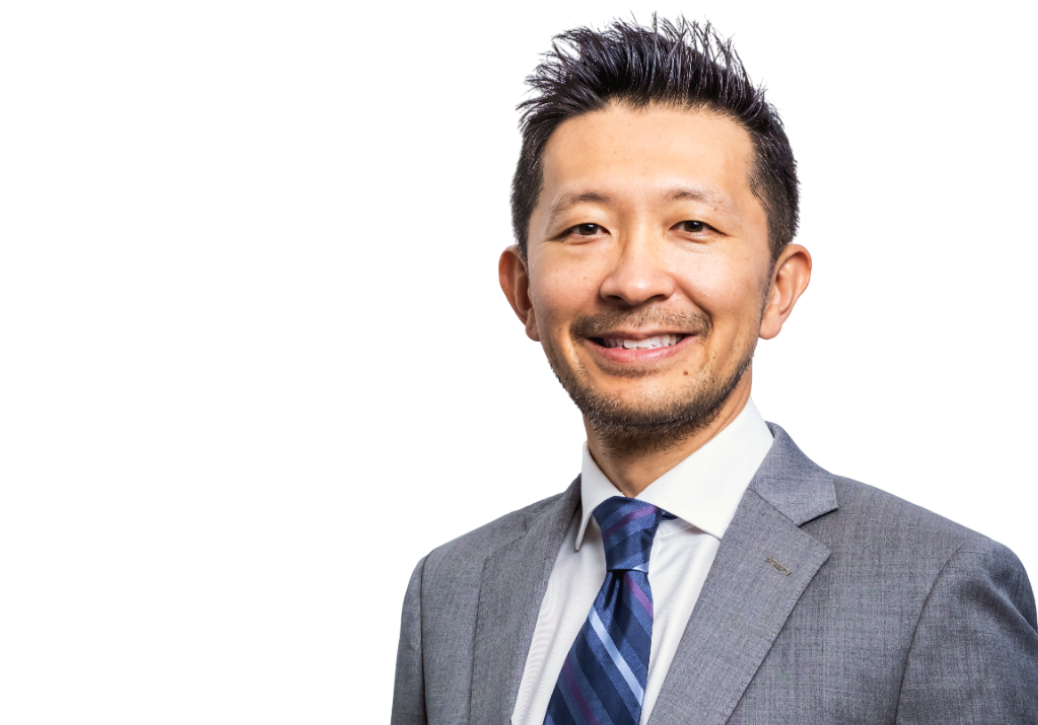
“Plastic surgery may change things on the outside, but when it is done tastefully, and the results are natural, the transformation inside the patient is truly magical.
I have performed thousands of surgeries, and seeing this transformation occur over and over never gets old. It is endlessly gratifying and fulfilling to help patients regain or improve their confidence.”


Chen Facial Plastic Surgery
Preparing for Functional Rhinoplasty With Dr. Chen in Los Angeles:
“What Tests Are Needed Before Functional Rhinoplasty? How Should I Prepare for Surgery Day?”
Preparing ahead of time can make your nose surgery and recovery feel smoother and less stressful. Below is a step-by-step overview of what to expect and how to prepare for functional rhinoplasty with Dr. Chen.
- Four weeks before rhinoplasty
- Avoid smoking. It introduces toxins that can slow healing and raise the risk of infection after surgery.
- Two weeks before rhinoplasty
- Share your full medication list with Dr. Chen. Include all prescription medications, over-the-counter drugs, herbs, and supplements.
- Stop taking medications or supplements that increase bleeding risk. You can review the full list of medications to avoid here.
- Complete your pre-operative history and physical (H&P). This must be done within one month of surgery and typically includes lab work, an EKG (electrocardiogram), and a chest X-ray.
Your primary care provider will complete the H&P form included in your pre-op packet.
- Use only acetaminophen (Tylenol) for any pain before surgery.
- Submit all required documents at least two days before surgery to keep everything on schedule.
- Confirm your pre-op appointment details. To secure your surgery date, please provide your physician’s name and the confirmed date of your pre-op visit at least one week before surgery.
- The night before rhinoplasty
- Expect a call from our team before surgery to review details and answer any last questions.
- Confirm your contact information so that we can reach you easily with your surgery time.
- Arrange a ride home. We don’t allow patients to drive themselves home following surgery.
- Start taking Arnica montana two days before surgery (to help manage pain and other post-op complications) if recommended.
- Do not eat or drink anything after midnight the night before surgery.
- The day of rhinoplasty
- Wear loose, comfortable clothing that’s easy to take off, such as a jogging suit or a top with buttons, snaps, or a zipper.
- Avoid wearing any makeup, jewelry, or contact lenses.
- Don’t use any hair products, such as gel or spray.
- Choose flat, slip-on shoes. Please avoid high heels.
What to Expect During Recovery From Functional Rhinoplasty With Dr. Chen:
How Long Does Recovery Take After Functional Rhinoplasty?
After surgery, you’ll spend a short time in the recovery room while the anesthesia wears off. The length of your stay there depends on how your body responds, but once you’re stable and comfortable, you’ll be cleared to head home the same day.
You’ll need to arrange a private ride in advance. Driving yourself isn’t allowed, and taxis or rideshares aren’t an option either, so having a trusted person lined up ahead of time is essential.
Recovery tends to unfold in stages. Some patients notice meaningful improvements within a few weeks, while others experience gradual healing over several months.
Swelling resolves slowly, and final results can take up to a year to fully reveal themselves as healing completes.
The good news? Dr. Chen’s precise, structure-focused technique is designed to support efficient healing and avoid unnecessary downtime. In most cases, patients feel ready to return to work in about a week.
Recovery also extends beyond the day you leave the surgical center. At Chen Facial Plastic Surgery, follow-up care is an ongoing part of the process.
You’ll have regular check-ins, and if questions or concerns come up along the way, help is just a text or call away.
With personalized care, consistent follow-through, and clear communication, you’re supported throughout recovery, so you’re never left wondering what’s normal or what comes next.
What Are the Risks and Complications of Functional Rhinoplasty?
Functional rhinoplasty is a well-established procedure and is generally considered safe when performed by a qualified, experienced surgeon.
That said, any surgical procedure carries some risk, and it’s completely natural to want a clear understanding of what that entails.
Knowing the potential risks and how they’re managed can help you make a more informed and confident decision. Possible risks may include:
- Bleeding
Mild bleeding is common within the first 24 or 48 hours after surgery, but heavy or prolonged bleeding is uncommon and requires medical attention. - Septal damage or perforation
In some cases, a small hole can form in the nasal septum, the internal wall between the nostrils. When this occurs, it may lead to symptoms such as whistling sounds during breathing, nasal crusting, or breathing discomfort. - Infection
Infections are rare in primary rhinoplasty cases but are more common in revision surgery. Careful surgical technique and proper post-operative care help keep this risk low. - Breathing difficulties after surgery
Some patients experience persistent nasal obstruction after rhinoplasty. This is often related to nasal valve weakness or an underlying structural imbalance. - Skin healing issues
Poor blood flow can interfere with skin healing and, in rare cases, lead to tissue damage. This risk is higher in smokers or when excessive pressure is placed on the skin during recovery. - Anesthesia Risks
Anesthesia is generally very safe when administered by experienced professionals, but minor risks, such as allergic reactions or temporary breathing issues, can occur.
When Previous Surgery Affects Breathing
Revision rhinoplasty, also called secondary rhinoplasty, is performed to correct issues that persist or develop after an initial nose surgery.
It may be recommended to improve breathing, appearance, or both, especially when the first procedure didn’t fully address structure or function.
A study published in Plastic and Reconstructive Surgery-Global Open outlines several common reasons patients choose to move forward with revision surgery, including the following:
Unresolved breathing problems
In some cases, underlying structural or functional issues, such as nasal airway obstruction, may not have been fully addressed during the initial rhinoplasty. In others, breathing may actually worsen after surgery, leading patients to seek further correction.
Polly beak deformity
A polly beak deformity occurs when a noticeable fullness or bump develops just above the nasal tip following nose surgery, altering the nose’s profile and overall balance.
Nasal bridge issues
Problems can arise when the nasal bones or sidewalls are too wide, uneven, or deviated, affecting both appearance and balance.
Nasal tip irregularities
Irregularities of the nasal tip may include drooping, unevenness, or a bulbous shape that doesn’t match the rest of the nose.
Dr. Chen’s Approach to Revision Functional Rhinoplasty
If you’re experiencing ongoing concerns after a previous rhinoplasty, you don’t have to live with unwanted results that feel unresolved or uncomfortable. Revision rhinoplasty can be an option for addressing both functional and aesthetic issues.
Dr. Chen approaches revision functional rhinoplasty with careful planning and precision, focusing on restoring nasal structure while preserving the nose’s natural appearance. Through this thoughtful approach, patients may experience:
- The best possible restoration of your nose, both in functionality and appearance
- Balanced, natural results with minimal recovery time
- Improved quality of life
“I highly recommend Dr. Chen. He did reconstruction surgery on my nose because I could no longer breathe at night.
I had surgery in the past, and the nose virtually collapsed as there was not enough cartilage left in my nose to support the passage of air.
His innovative approach to reconstruction worked beautifully, and now my nasal passages are clear. It is easy for me to breathe again.
The best part is that my nose now looks great! He is also a very personable doctor.”
Delores Gilmore | Redondo Beach, CA
What Causes Breathing Problems After Rhinoplasty?
Breathing concerns after rhinoplasty are more common than many people realize, and they often relate to how nasal structures were altered during the original surgery.
A study published in GMS Current Topics in Otorhinolaryngology-Head and Neck Surgery highlights how rhinoplasty can affect airflow, depending on the extent of nasal structural alteration.
For instance, reduction rhinoplasty (when nasal structures are reduced in size) can sometimes lead to breathing disturbances if support is compromised. Research shows that breathing problems are reported in up to 70% of patients seeking revision rhinoplasty.
Some nasal deformities, such as twisted noses and tension noses, are also frequently associated with airflow issues. In these cases, rhinoplasty may be medically recommended not for appearance alone, but to help restore healthy nasal function.
Advanced Techniques:
Open vs. Closed Rhinoplasty Approaches
When considering functional rhinoplasty, it’s important to understand which surgical approach may be most appropriate for your specific needs. The technique used can influence both surgical access and the effectiveness with which underlying structural issues are addressed.
If you’ve done your own research on rhinoplasty, you may have read about closed and open rhinoplasty. Both approaches are well-established and have distinct advantages.
Understanding how they differ can help you feel more informed and confident as you discuss your options with your surgeon.
Closed (Endonasal or “Scarless”) Rhinoplasty
This technique is typically used for cosmetic surgeries. With this approach, Dr. Chen works through minor incisions hidden within the nostrils, so there is no visible external scarring. This technique allows for precise adjustments while keeping the outer skin intact.
Closed rhinoplasty may be a good option if your goals include refining the nasal tip, narrowing the bridge, or adjusting the overall nose shape without extensive structural correction.
Open Rhinoplasty
Open rhinoplasty is the most commonly used approach today.
With this technique, Dr. Chen makes a small incision along the columella (the strip of skin between the nostrils), allowing him full visibility of the nasal structures beneath.
That added access can be especially important in more complex cases. Open rhinoplasty is often recommended when more precise and complex work is needed, especially in revision surgery.
Still unsure which approach best fits your goals? You’re not alone. Understanding the differences can take time, and the right choice often depends on your anatomy, concerns, and priorities.
Below, you’ll find a clear overview of the pros and cons of open and closed rhinoplasty to help you feel more informed and confident as you explore your options.
Closed (Scarless) Rhinoplasty for Functional Improvement
|
Closed Rhinoplasty |
|
|---|---|
| Pros | Cons |
|
|
Open Rhinoplasty for Complex Functional Cases
|
Open Rhinoplasty |
|
|---|---|
| Pros | Cons |
|
|
Combining Functional and Cosmetic Improvements
The nose plays a dual role. It’s one of the most visible facial features, and it’s also a critical part of how you breathe. Because of this, rhinoplasty is one of the most structurally and anatomically complex procedures in facial surgery.
That complexity is exactly why combining functional and cosmetic improvements is so important. When airflow issues are corrected alongside appearance, surgeons can improve breathing while maintaining, or even enhancing, natural facial balance.
Challenges arise when cosmetic rhinoplasty focuses solely on reshaping the outside of the nose, without preserving the internal support structures.
Over time, this may weaken the nasal framework and increase the risk of nasal valve collapse, airway narrowing, and long-term breathing difficulty.
Modern rhinoplasty principles are designed to prevent these outcomes by preserving or rebuilding structure from the very beginning. Many patients are surprised to learn that functional repairs often influence appearance, even when cosmetic change isn’t the primary goal.
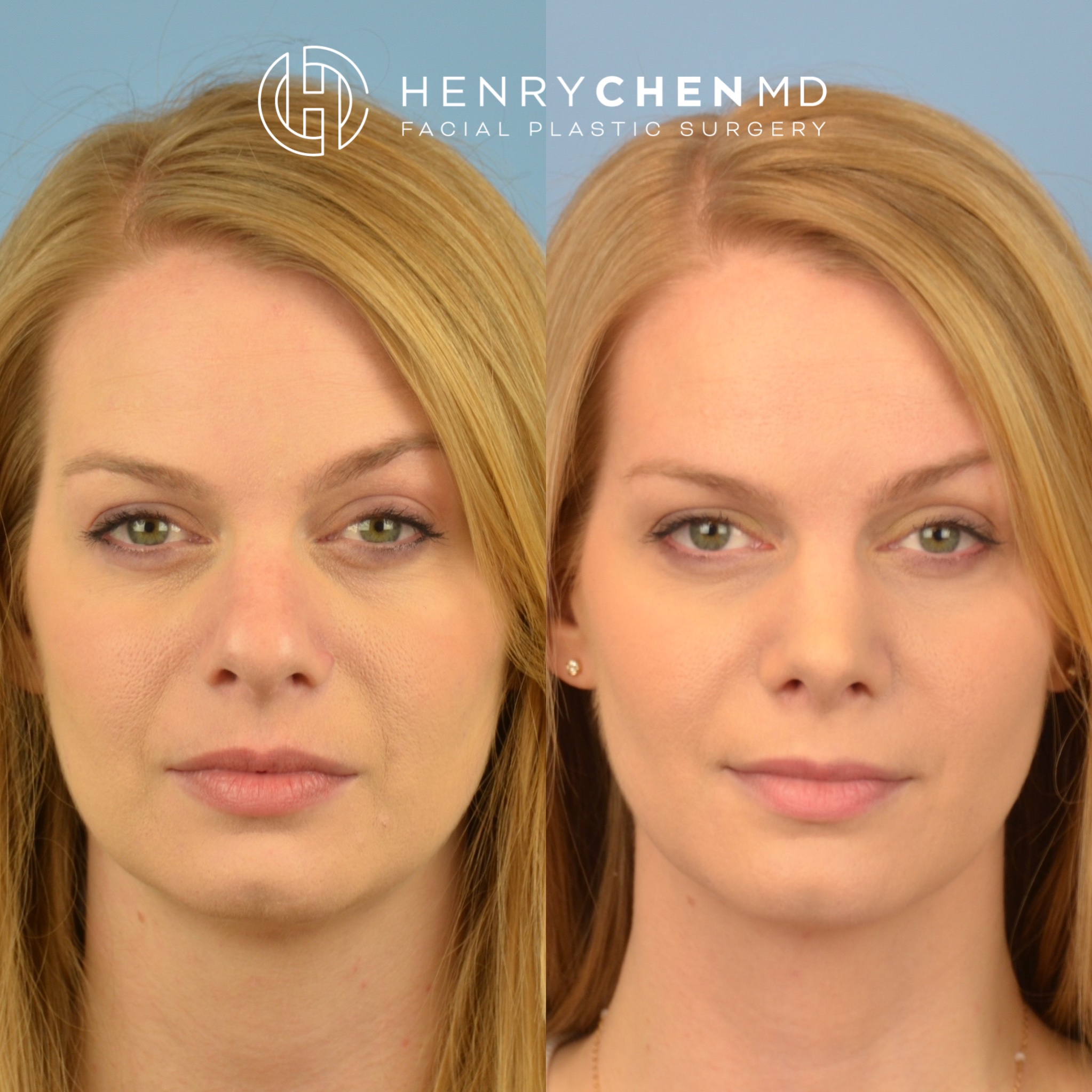
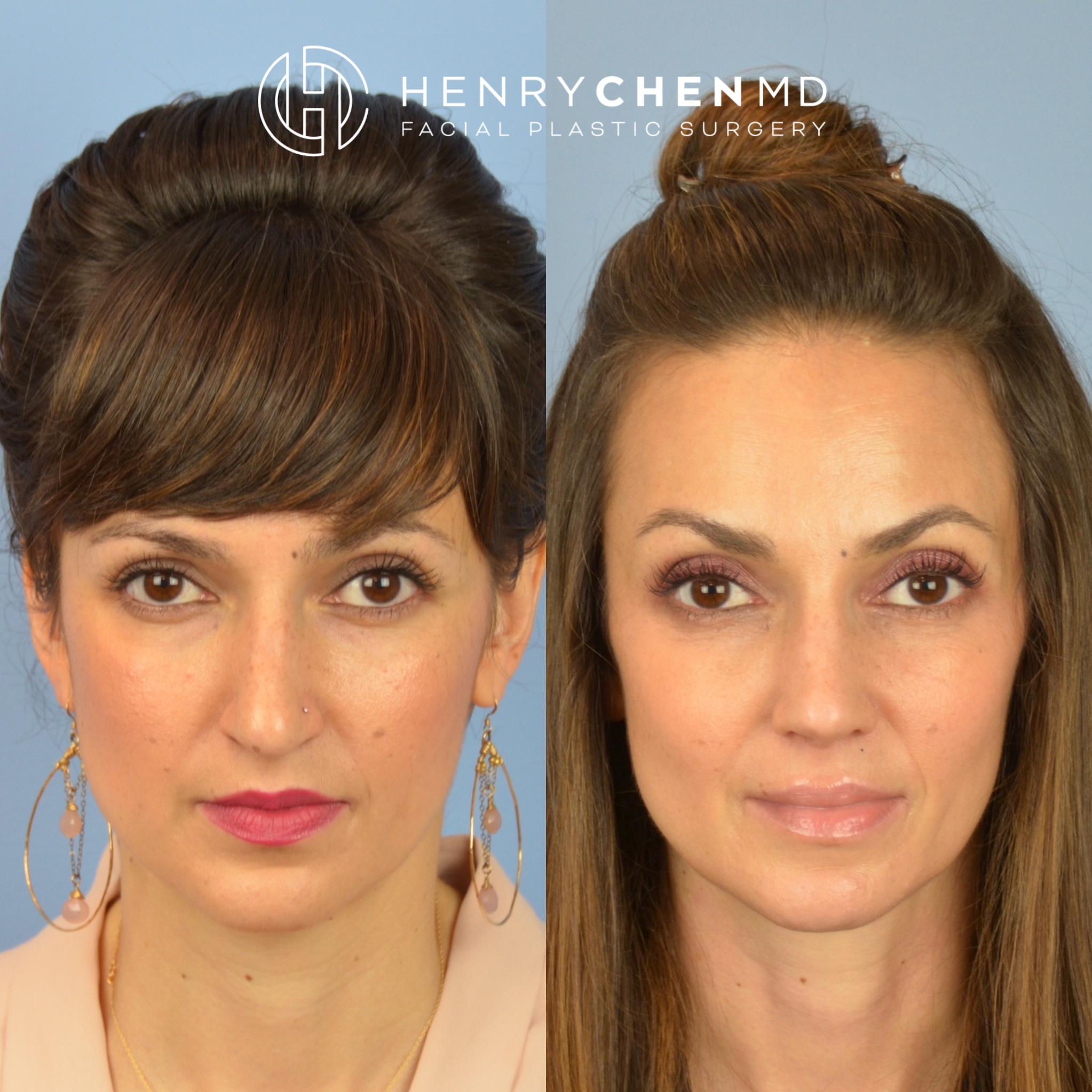
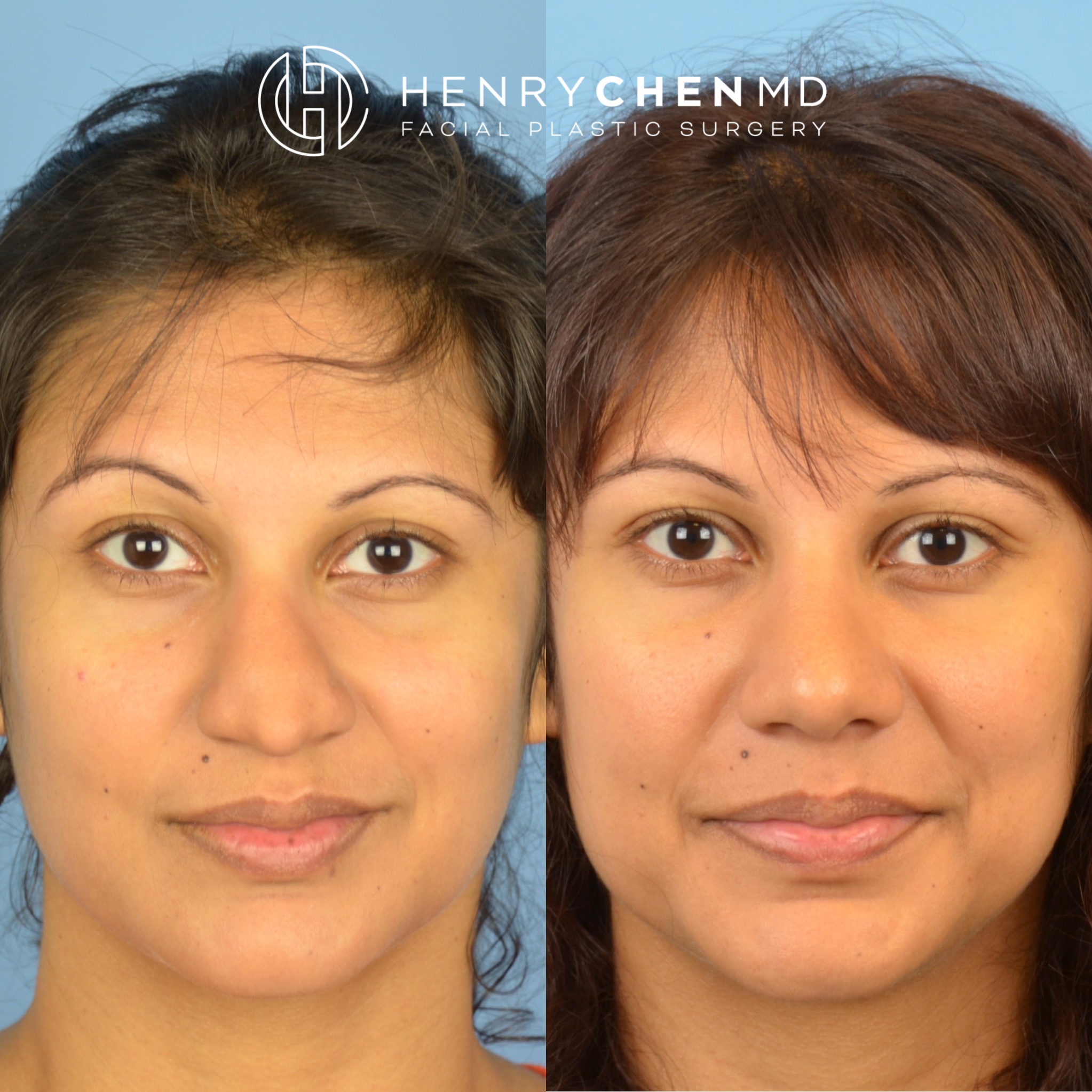
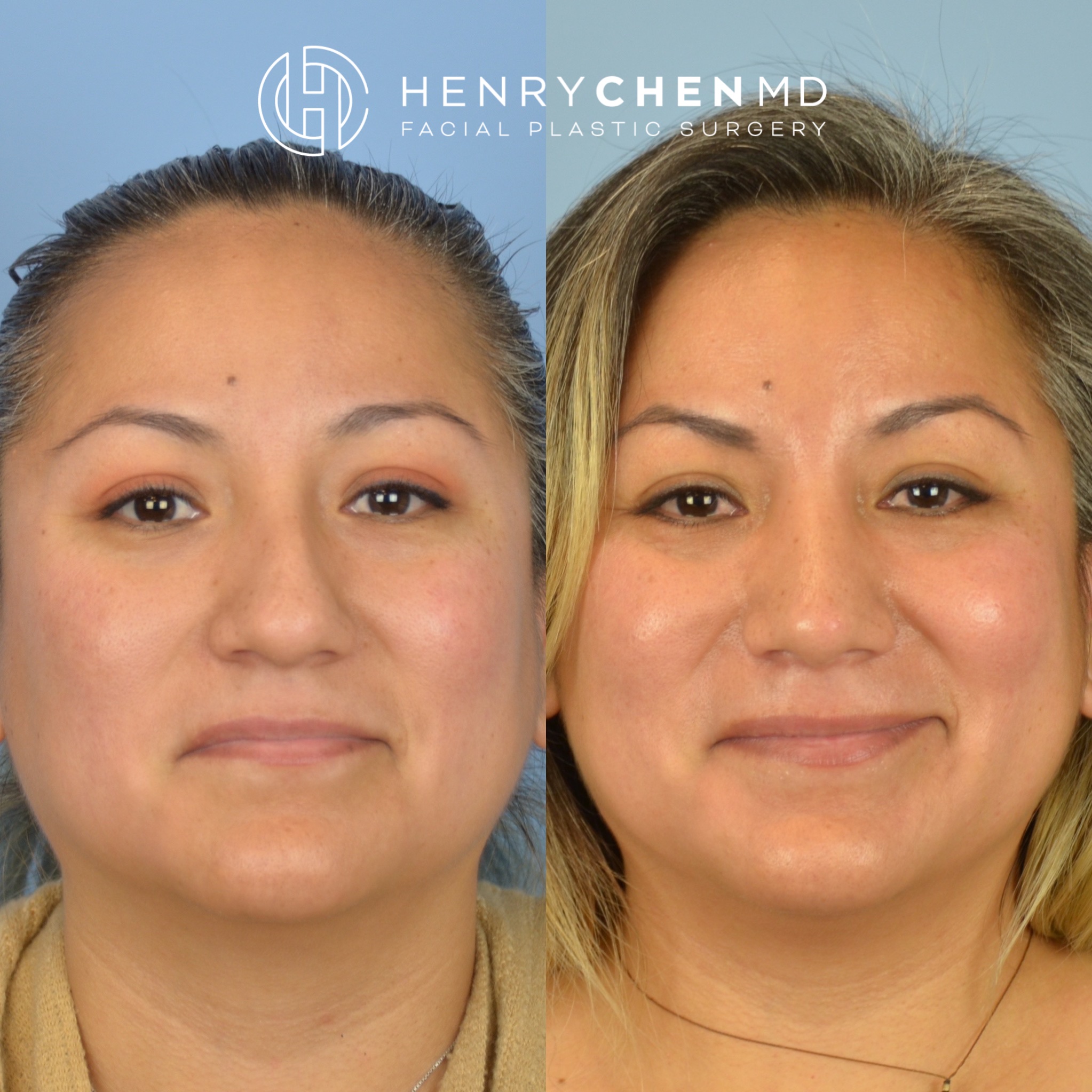
Procedures such as septoplasty, nasal valve support, or turbinate reduction can alter the position and function of the nose. By correcting internal deviation or collapse, the nose may appear straighter, more symmetrical, and better balanced as a secondary benefit.
A structure-preserving or structure-restoring philosophy guides Dr. Chen’s rhinoplasty approach. Internal support is essential not only for stable breathing but also for durable cosmetic results.
This perspective allows functional and aesthetic goals to be planned together within a comprehensive surgical approach.
Rather than treating function and appearance as separate concerns, Dr. Chen approaches every rhinoplasty with this dual responsibility in mind.
When both are addressed together, patients are more likely to experience reliable improvements in breathing, long-term structural stability, and natural-looking results that age well. Treating one without the other increases the risk of dissatisfaction and the need for revision surgery later.
Computer Imaging and Surgical Planning
Rhinoplasty is most successful when accuracy and clear communication are at the center of the process. You and your surgeon need to be aligned on the reasons for surgery, the approach being considered, and what outcomes are realistically achievable.
This is where modern imaging and surgical planning play an important role.
Today, many surgeons use virtual surgical planning (VSP) built from 3D photographs or, in some cases, 3D reconstructions of CT (computed tomography) images. These tools help translate anatomy into something you can actually see and understand.
This level of planning can improve communication, increase patient satisfaction with outcomes, and even reduce operative time by clarifying the surgical plan before the first incision is made.
At Chen Facial Plastic Surgery, virtual planning starts with photo-based morphing. Rather than making promises or chasing a “perfect” image, this process creates a shared visual reference.
It helps illustrate what may be achievable based on your anatomy and supports an honest conversation about priorities, trade-offs, and expectations.
For many patients, this approach often makes the process feel less abstract. Instead of guessing how changes might look, you’re actively involved in the discussion and better equipped to make informed, confident decisions about your care.
Achieving Natural Results With Functional Improvement
A successful rhinoplasty depends on both a deep understanding of structure and a careful, artistic touch. Dr. Chen’s philosophy of care is centered on delivering natural-looking outcomes while preserving or restoring nasal function.
By carefully balancing form and function, each procedure is planned to support comfortable breathing and a result that feels harmonious, stable, and true to your natural features.
How Much Does Functional Rhinoplasty Cost in Los Angeles With Dr. Chen?
In Beverly Hills, rhinoplasty typically costs between $10,000 and $15,000, which is higher than the national average of approximately $6,000 to $7,600.
While this difference can feel significant, pricing often reflects several underlying factors that influence the level of care, expertise, and resources involved.
Some of the most common factors that affect cost include:
Surgeon’s reputation and credentials
Los Angeles is known for board-certified plastic surgeons with advanced training and extensive experience, including complex and high-visibility cases. This level of specialization and expertise often commands a higher fee.
Techniques used
Many surgeons in Los Angeles rely on refined surgical techniques and modern technology designed to preserve nasal structure and support long-term function. These advanced approaches can increase overall costs.
Case complexity
More involved procedures, such as functional or revision rhinoplasty, require additional planning, precision, and operating time. Increased complexity often translates to higher surgical fees.
Facility
Practices like Chen Facial Plastic Surgery operate in fully accredited facilities that meet hospital-level safety and quality standards.
These centers are equipped with advanced, hospital-grade technology, supported by experienced medical teams, and offer a concierge-style patient experience.
Anesthesia
General anesthesia typically increases overall costs, but many surgeons prefer it because it allows for complete stillness and a controlled surgical environment.
This level of control helps enhance safety and precision during the most delicate parts of the procedure, contributing to more consistent and reliable outcomes.
Demand and Location
In major markets like Beverly Hills, strong demand and surgeon expertise contribute to higher baseline prices than in other cities.
Will Insurance Pay for Functional Rhinoplasty?
Insurance may cover part of your rhinoplasty when the procedure is performed to correct a medically necessary, functional issue. Common situations that may qualify for coverage include:
- Chronic nasal breathing obstruction
- Nasal deformities caused by injury or trauma
- A deviated septum, which is a crooked internal wall inside the nose
For example, when rhinoplasty includes a septoplasty, the functional portion of the surgery may be eligible for insurance coverage, while cosmetic components are typically not.
If you’re unsure whether your situation qualifies, you don’t have to navigate the process on your own. Our team at Chen Facial Plastic Surgery can guide you through the insurance process, help clarify what may or may not be covered, and help you explore your options so there are no surprises.
Financing Options for Your Rhinoplasty Procedure
At Chen Facial Plastic Surgery, we understand that cost is an important part of your decision, and we don’t believe finances should stand in the way of getting the care you need.
During your consultation, Meghan, our front office coordinator, will walk you through the basics, including general pricing and typical costs.
If you decide to move forward with surgery, Emmy, our patient care coordinator, becomes your primary point of contact.
She helps keep everything organized, from scheduling to reviewing available financing options.
We accept CareCredit, a healthcare financing option that offers extended payment plans for eligible patients. Our goal is to make the process feel manageable, clear, and stress-free so you can focus on your care rather than paperwork.
Are There Nonsurgical Alternatives to Functional Rhinoplasty?
The answer depends on what’s causing your breathing concerns.
If breathing problems are caused by structural issues inside the nose, such as a deviated septum, nasal valve collapse, or turbinate enlargement, nonsurgical treatments won’t address the underlying cause. In those cases, functional rhinoplasty is required to restore airflow.
That said, nonsurgical rhinoplasty (often called a liquid rhinoplasty or nonsurgical nose job) can be an option for patients who want minor cosmetic adjustments without surgery. These treatments use dermal fillers to reshape the nose temporarily, rather than altering its internal structure.
Most nonsurgical procedures rely on fillers such as hyaluronic acid, Juvéderm®, or Restylane® to smooth contours or improve symmetry.
There is also a less common, permanent nonsurgical option that uses Silikon 1000, a medical-grade, FDA-approved silicone oil. Because it’s permanent, this approach requires careful patient selection and precise technique.
Dr. Chen performs both surgical and nonsurgical procedures of the head and neck. During your consultation, he’ll help determine whether your concerns are structural, cosmetic, or a combination of both, and guide you toward the option that makes sense for your anatomy and goals.
When Do Nonsurgical Treatments Work for Breathing Problems?
Nonsurgical treatments such as nasal sprays and antihistamines may help when nasal breathing issues are caused by allergies, inflammation, or turbinate swelling rather than fixed structural abnormalities.
These options are often appropriate as first-line or supportive care, especially when symptoms fluctuate or improve with medication.
Why Nonsurgical Nose Jobs Cannot Improve Breathing
Nonsurgical nose jobs, typically performed with dermal fillers, are designed only to change surface appearance. They do not improve airflow and cannot correct internal nasal structures.
In some cases, fillers may even worsen breathing by narrowing the airway or interfering with normal blood flow, which is why careful evaluation and appropriate treatment selection are essential.

-
 Before
After
Before
After
-
 Before
After
Before
After
-
 Before
After
Before
After
-
 Before
After
Before
After
-
 Before
After
Before
After
-
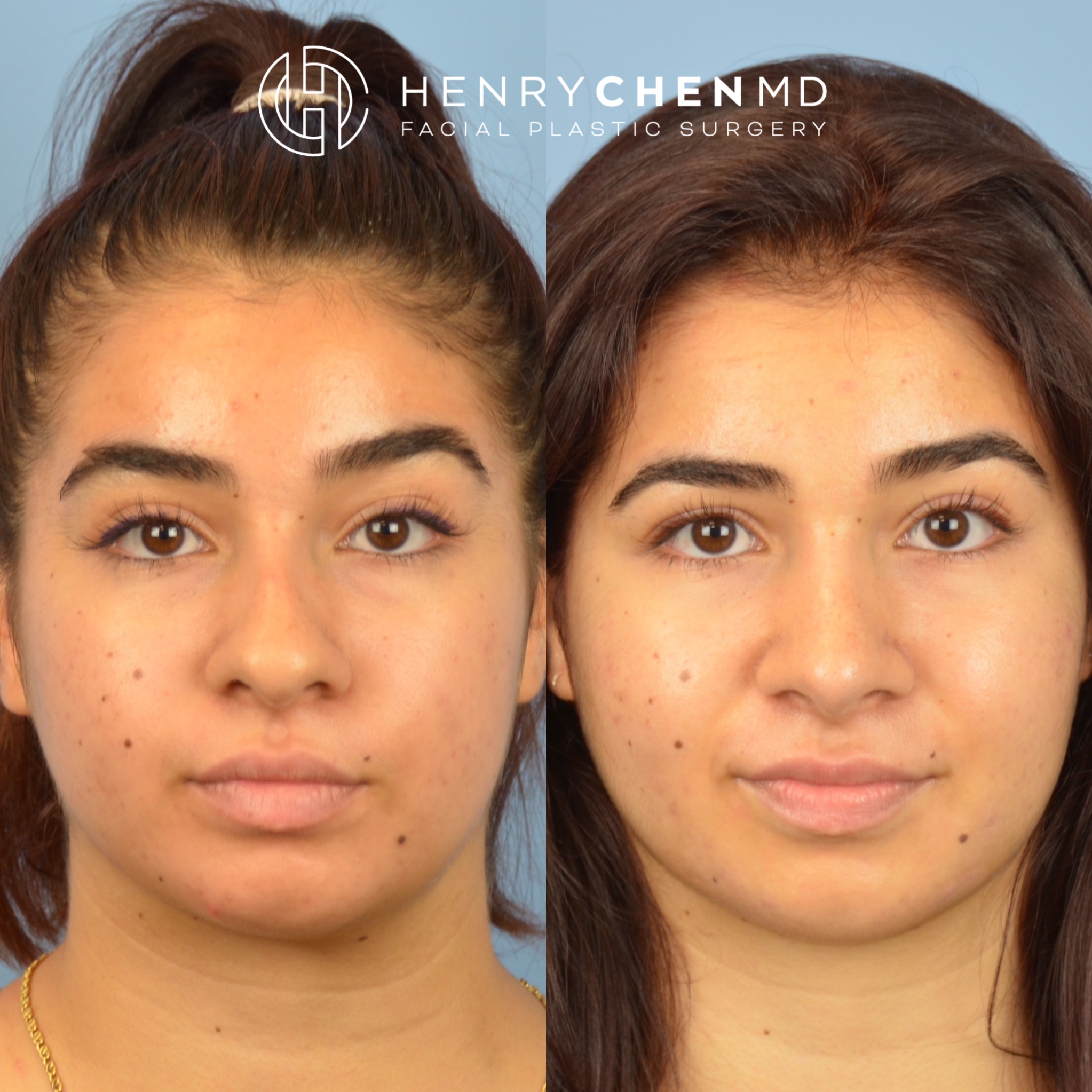 Before
After
Before
After
-
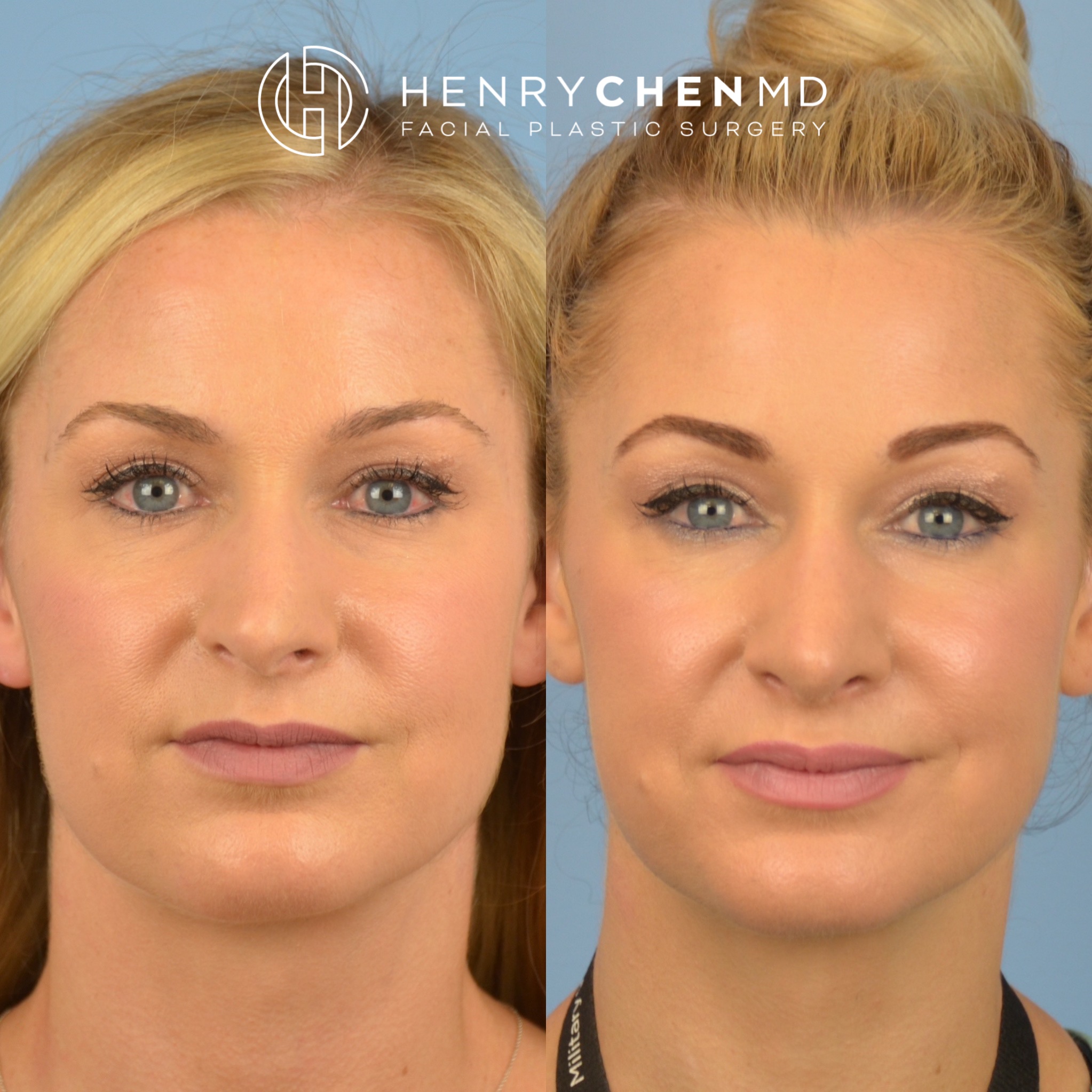 Before
After
Before
After
-
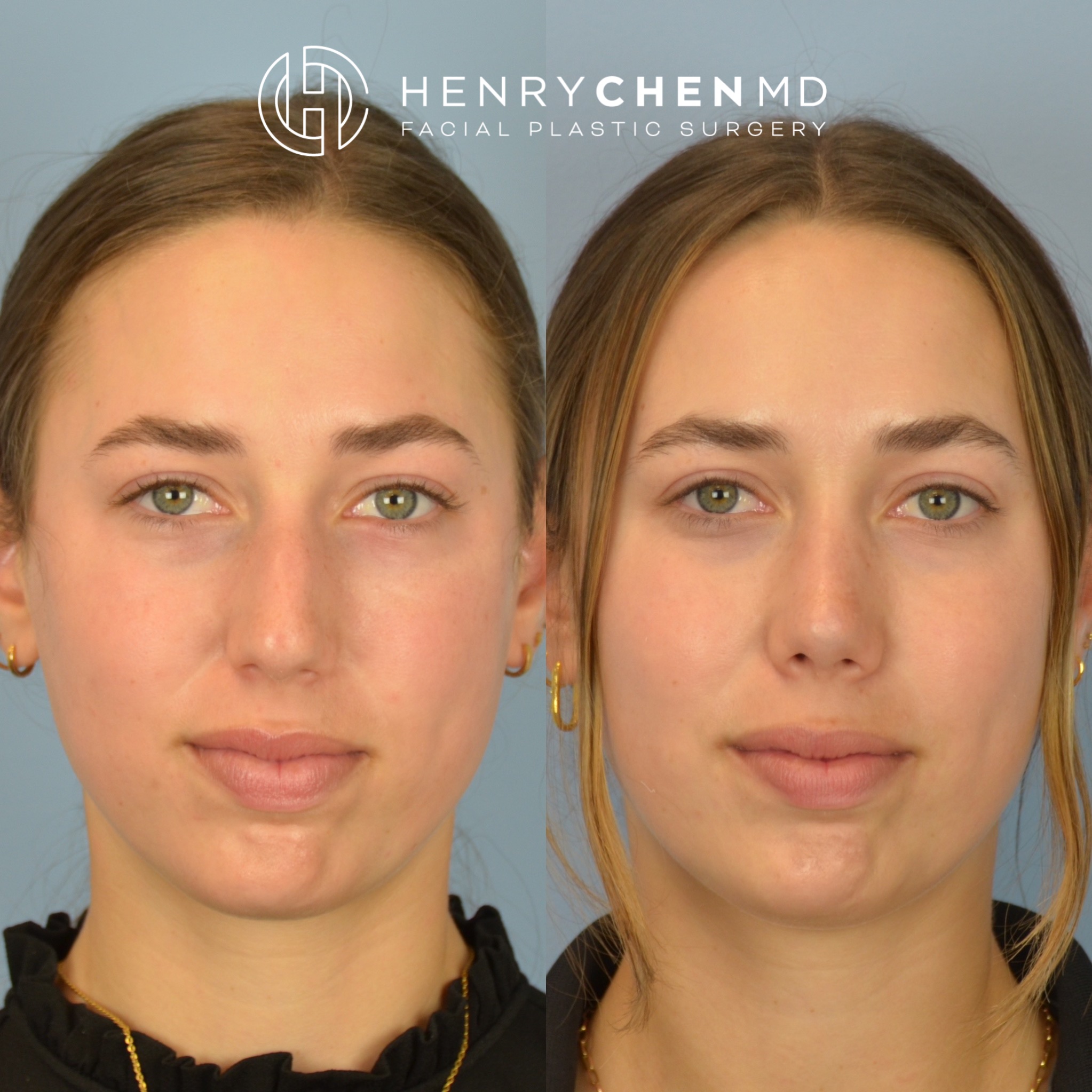 Before
After
Before
After
-
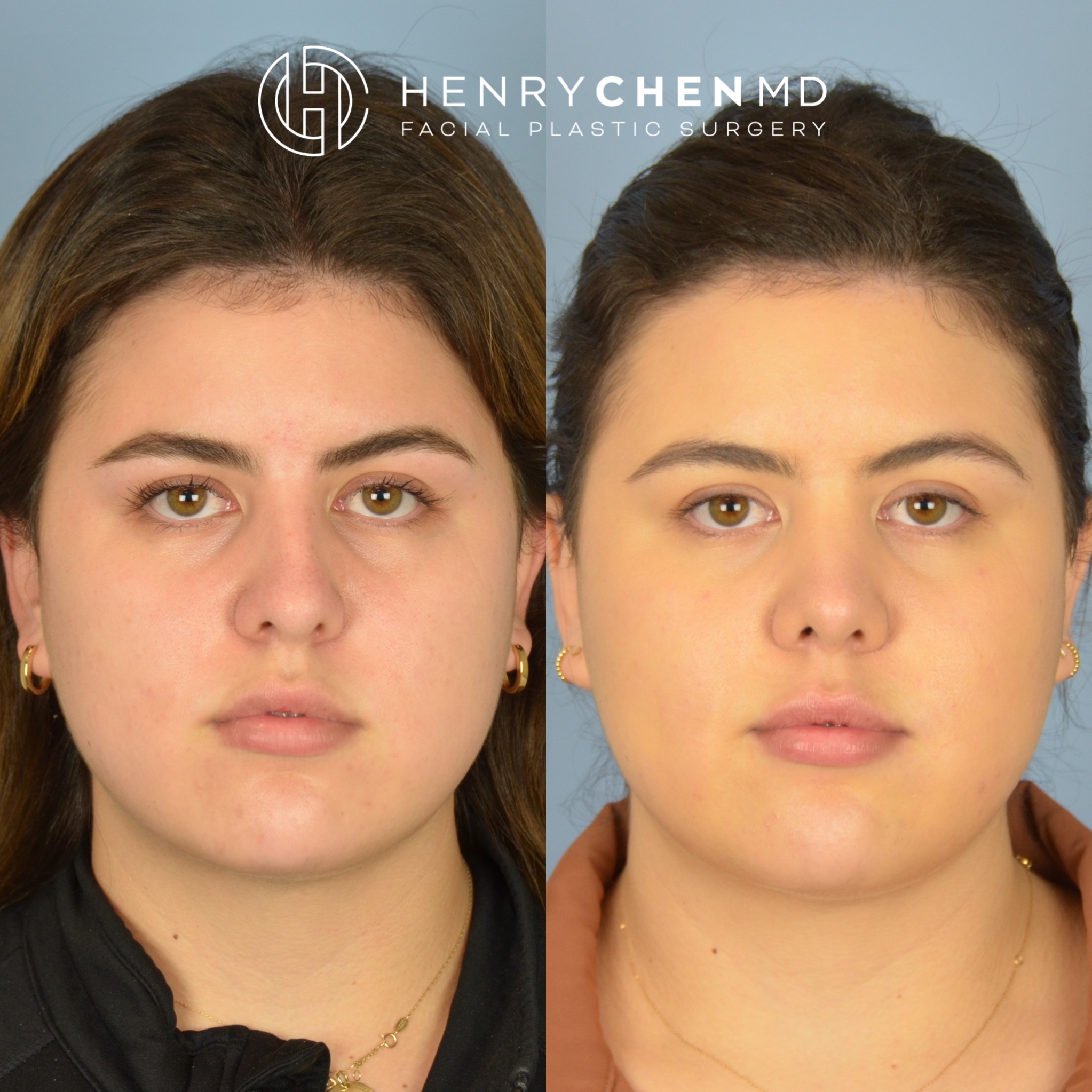 Before
After
Before
After
-
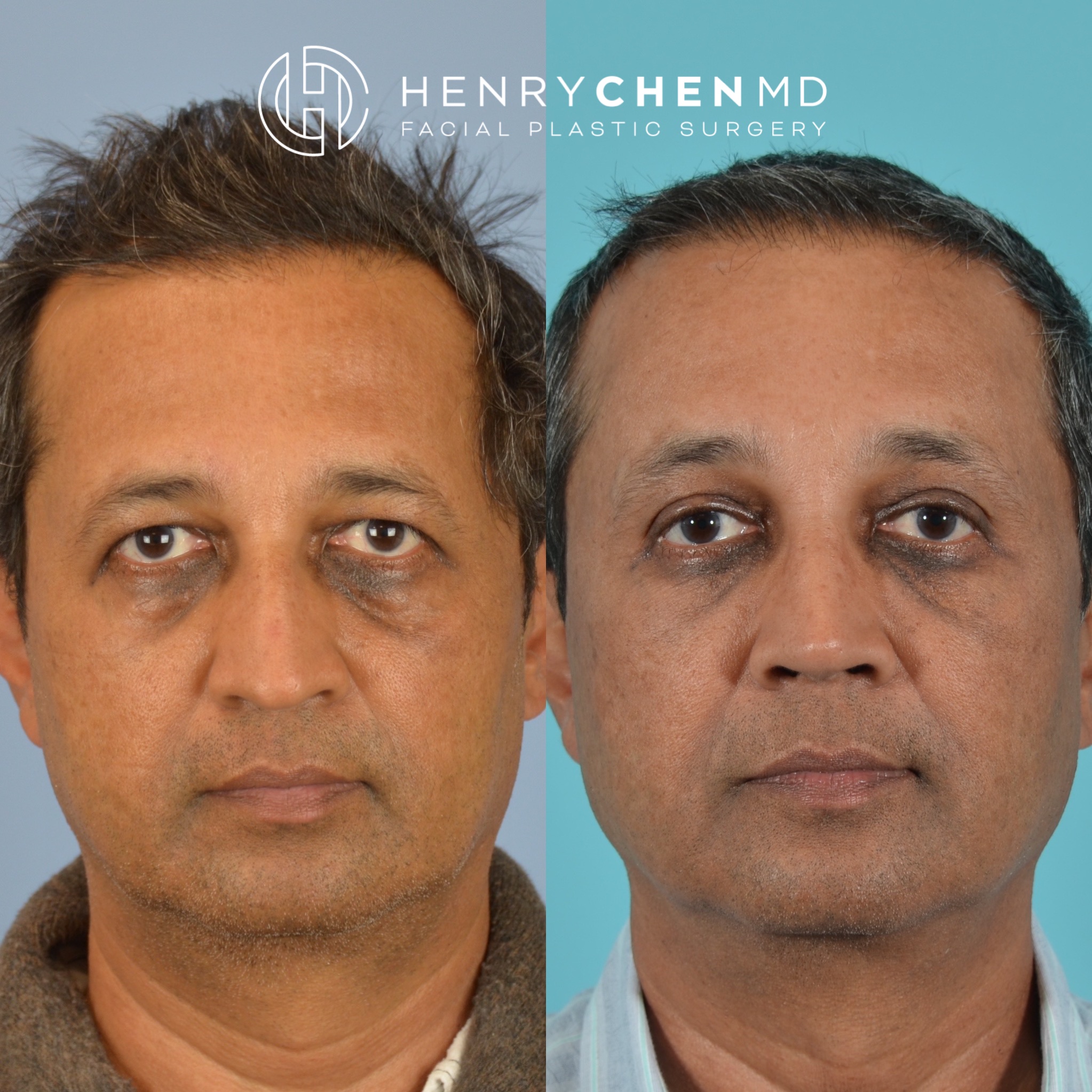 Before
After
Before
After
-
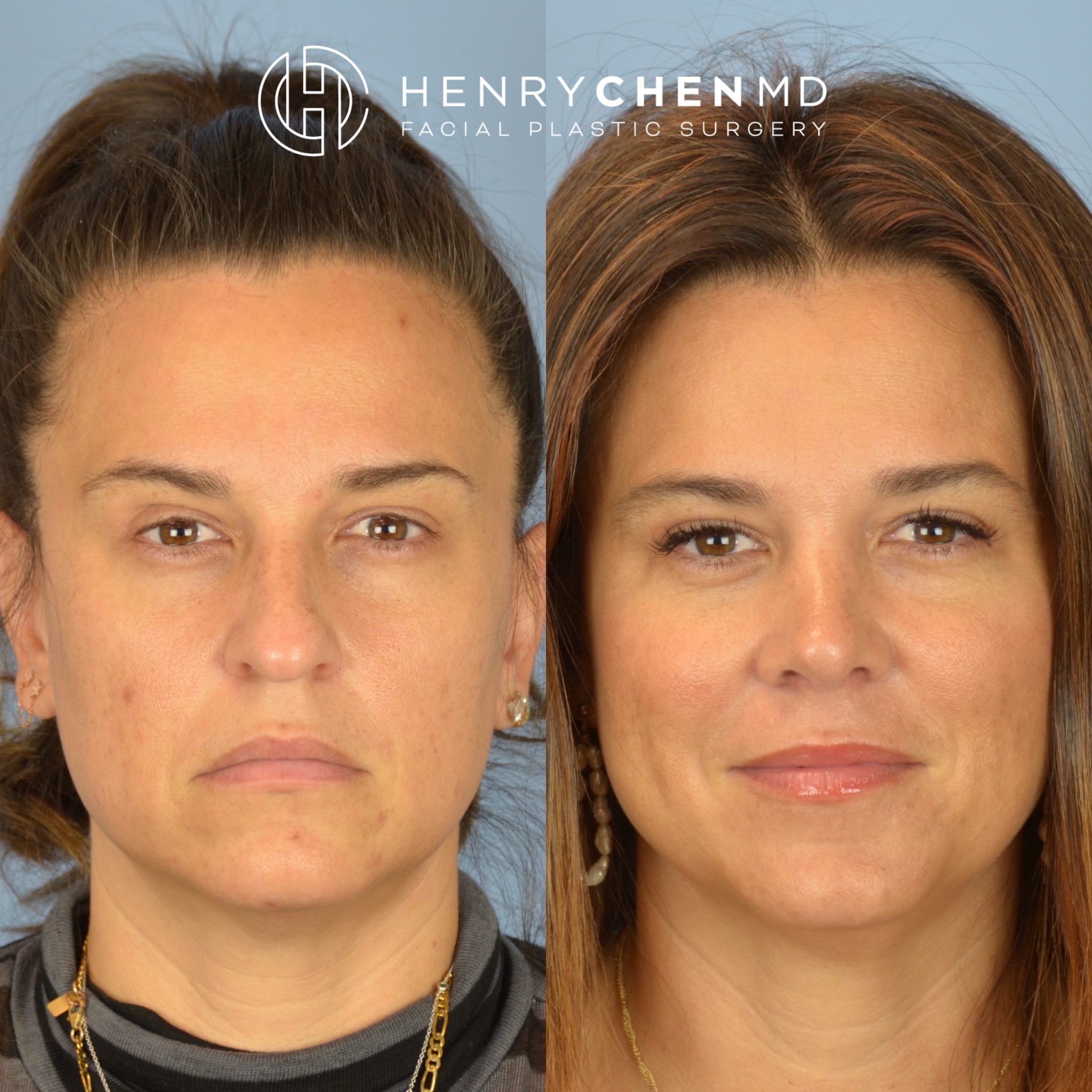 Before
After
Before
After
-
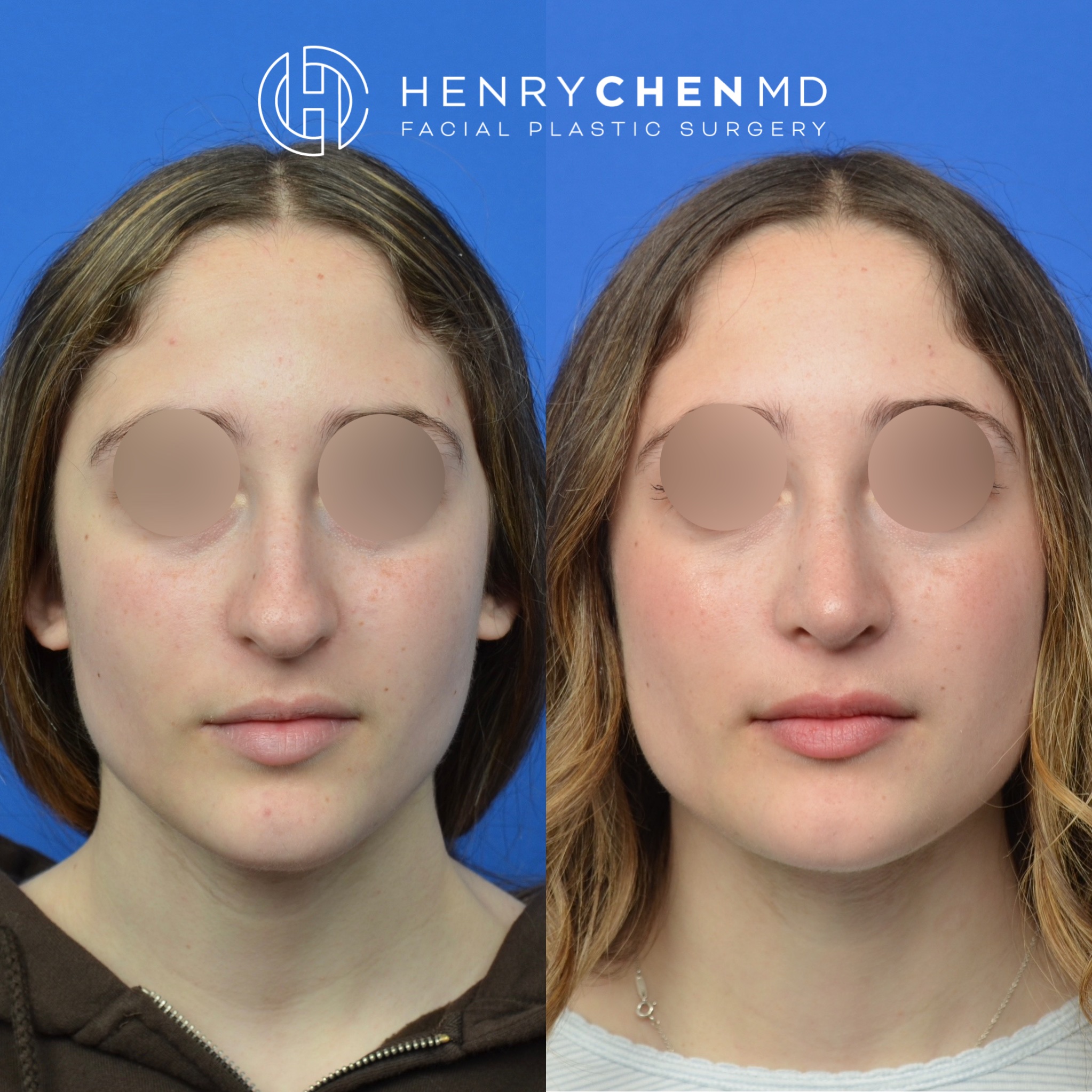 Before
After
Before
After
FAQs: Frequently Asked Questions About Functional Rhinoplasty With Dr. Chen
Will functional rhinoplasty change how my nose looks?
While functional rhinoplasty doesn’t focus on changing the appearance of the nose, it may involve reshaping the nose to improve nasal proportions and thereby improve airway patency.
Is functional rhinoplasty worth it for breathing problems?
Yes! The vast majority of our rhinoplasty patients are extremely satisfied with the results. Clinical research also suggests that improving nasal structure and airflow can lead to meaningful improvements in overall quality of life.
That said, outcomes vary from person to person. Long-term outcomes depend on the underlying cause of obstruction and the surgical plan. This is why a thorough evaluation is an important first step in determining whether functional rhinoplasty is right for you.
What makes Dr. Chen different from other rhinoplasty surgeons?
Dr. Chen is double board-certified in Otolaryngology-Head and Neck Surgery and Facial Plastic and Reconstructive Surgery. As such, his rhinoplasty approach considers both function and aesthetics.
This dual perspective allows Dr. Chen to plan rhinoplasty with a broader lens, especially in complex cases where breathing issues and cosmetic concerns overlap.
How long do functional rhinoplasty results last?
There isn’t an exact timeline that applies to everyone. Still, functional rhinoplasty is designed to provide long-lasting improvement in nasal breathing.
When the underlying structural causes of obstruction are properly addressed, many patients experience durable benefits that continue for their entire life.
What is the ideal age for functional rhinoplasty?
There’s no single “right” age, but timing and individual goals matter. Many people choose surgery in their late teens through their 30s, while others seek it later to restore balance after injury or age-related changes.
From a safety standpoint, rhinoplasty is generally recommended once facial growth is complete.
For most girls, this occurs around ages 15 or 16, and for boys, it typically happens a bit later. At this stage, the nose has finished developing, which helps reduce the chance that future growth could change the results.
Dr. Chen looks at both physical readiness and emotional maturity. Patients need to understand the process, the recovery, and what realistic results look like.
For adults, there’s no strict upper age limit. As long as your overall health and skin quality support proper healing, rhinoplasty may still be a suitable option.
How painful is functional rhinoplasty recovery?
Most people are surprised by how manageable recovery feels post-rhinoplasty. For most patients, recovery discomfort is mild to moderate and generally well-controlled with appropriate care.
Rather than sharp pain, people often describe it as a feeling of pressure or congestion (similar to a bad head cold). While everyone’s experience is different, this type of discomfort typically improves steadily as swelling subsides and healing progresses.
Can I combine functional rhinoplasty with cosmetic changes?
Yes, many patients do. The key is recognizing that breathing and facial appearance are closely connected and that changes to one can directly affect the other.
A well-planned nasal surgery should support both how the nose looks and how it works. After all, the internal structures that control breathing are often the same ones that shape the nose.
Our LOCATION

Request an APPOINTMENT
 PHONE NO.
 LOCATION
435 N Roxbury Dr, Ste 200
Beverly Hills, CA 90210

Breathing Better After Functional Rhinoplasty
Get In TOUCH WITH US
Dr. Chen is double board-certified by the American Board of Facial Plastic and Reconstructive Surgery and the American Board of Otolaryngology-Head and Neck Surgery.
Call (310) 997-0280 or fill out the form below for a consultation.